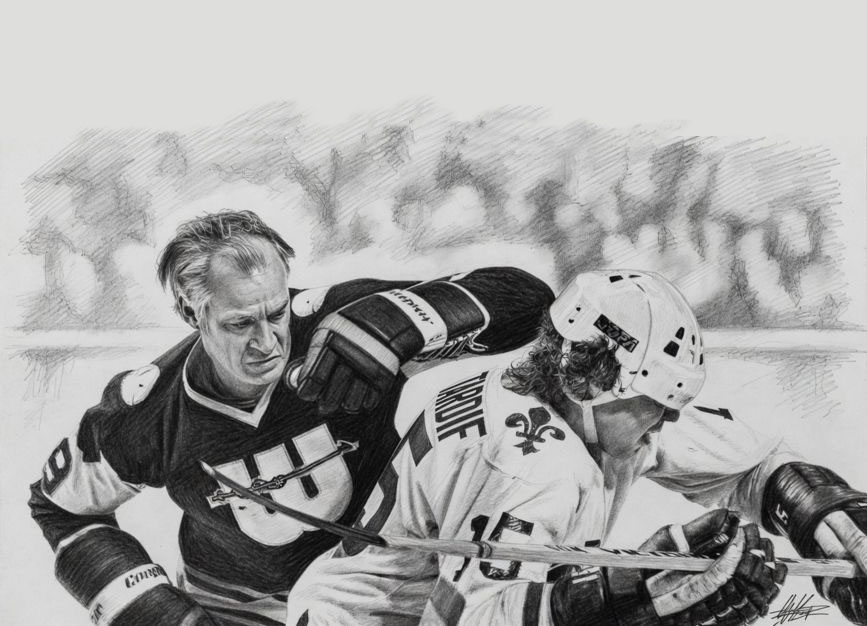
The Great NHL Defensemen of the 1970s
The 1970s was hockey's coolest decade. Sudden expansion, new types of player, the arrival of the Europeans, more fighting, great dynasties, great hair, first-time winners, the World Hockey Association. Bobby Orr, Guy Lafleur, Bobby Clarke, Ken Dryden, Paul Henderson. Glorious brawls, glorious goals, drama off the ice and on. The 1970s hold together, as a decade, in the way few others do, with expansion on one end and the post-WHA Gretzky era on the other. The 1970s are their own thing.
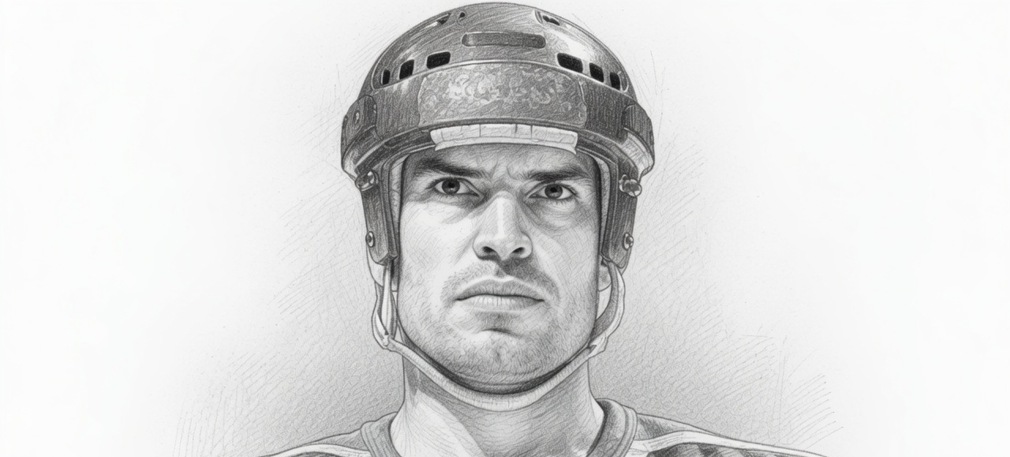
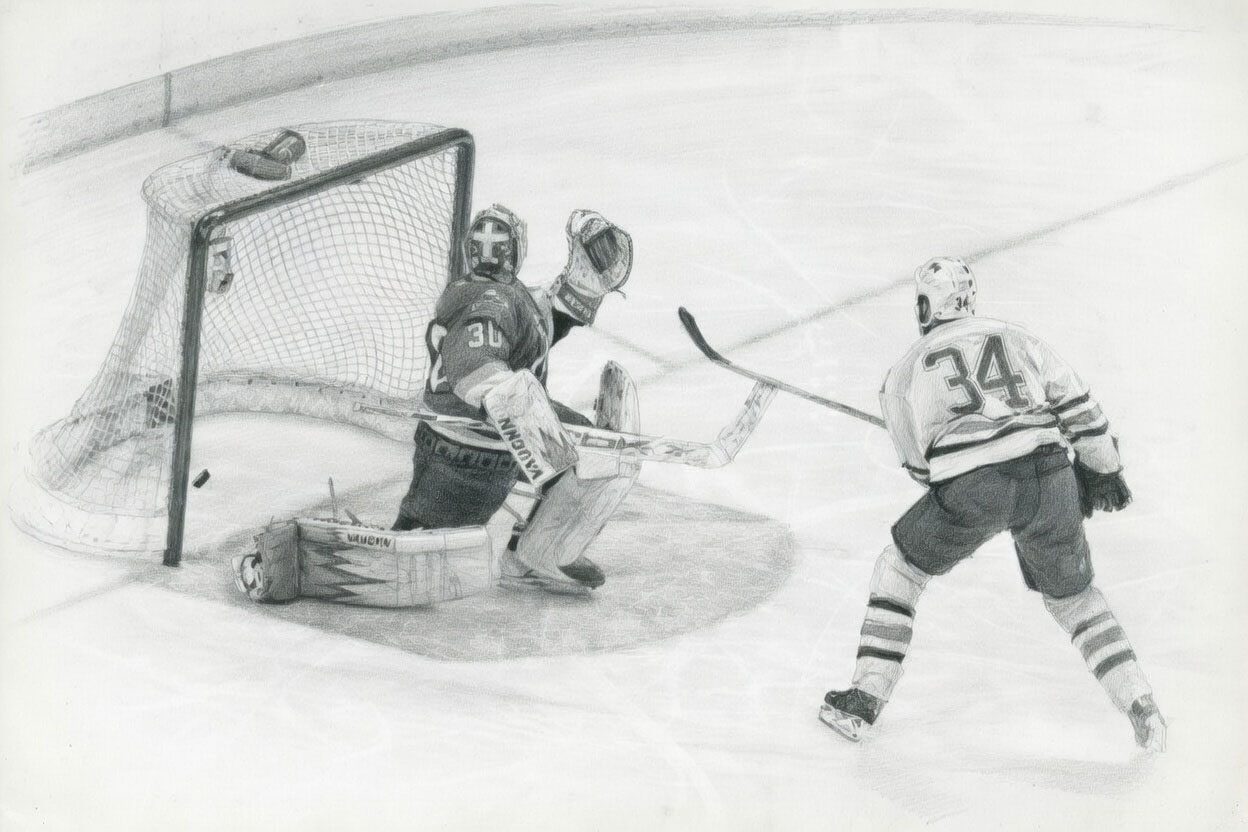
Ahead of the scoring explosion of the 1980s, it was an era unusually gifted with great defensemen. Orr, of course; the greatest of them all, the player who half a century later has not even been approached, whose greatness only grows with time, the player who changed the way defensemen could play but also set a standard none of his gifted successors have approached. But there was Brad Park and Denis Potvin and Larry Robinson, there was the start for Ray Bourque and the end for J. C. Tremblay, there was Börje Salming revolutionizing the game in an entirely different way. Though not a low-scoring era, the 1970s may have been the decade of the blueliner. There were plenty of great defensemen between Eddie Shore and Bobby Orr, of course, but people had forgotten that the first person to touch the puck has every opportunity to be as creative as the last. The influence of European hockey was just arriving, and hadn't had time to influence young players, but the game had already changed, and the ability of the defense to control where the puck went beyond throwing a thundering open-ice hit was being developed and appreciated in new ways.
So let's look at the best NHL defensemen of the 1970s. Not so much the very best, because nobody needs to be told that Bobby Orr or Larry Robinson was good, but the second tier, the guys who just made the Hall of Fame or didn't quite, the mass of elite talent who, in an elite era, influenced the game.