Skip to content

One-hit wonders

The Strange Career and Triumph of Tommy Anderson

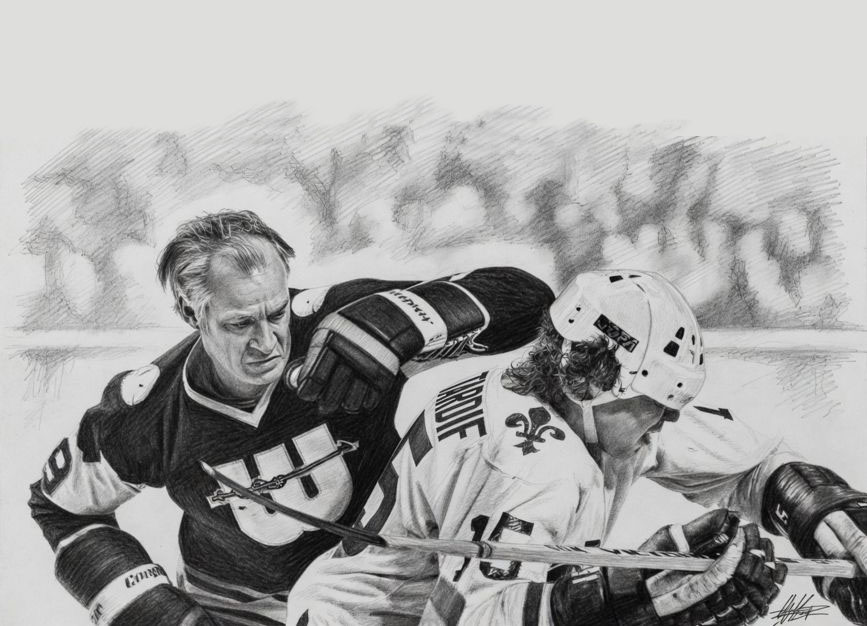
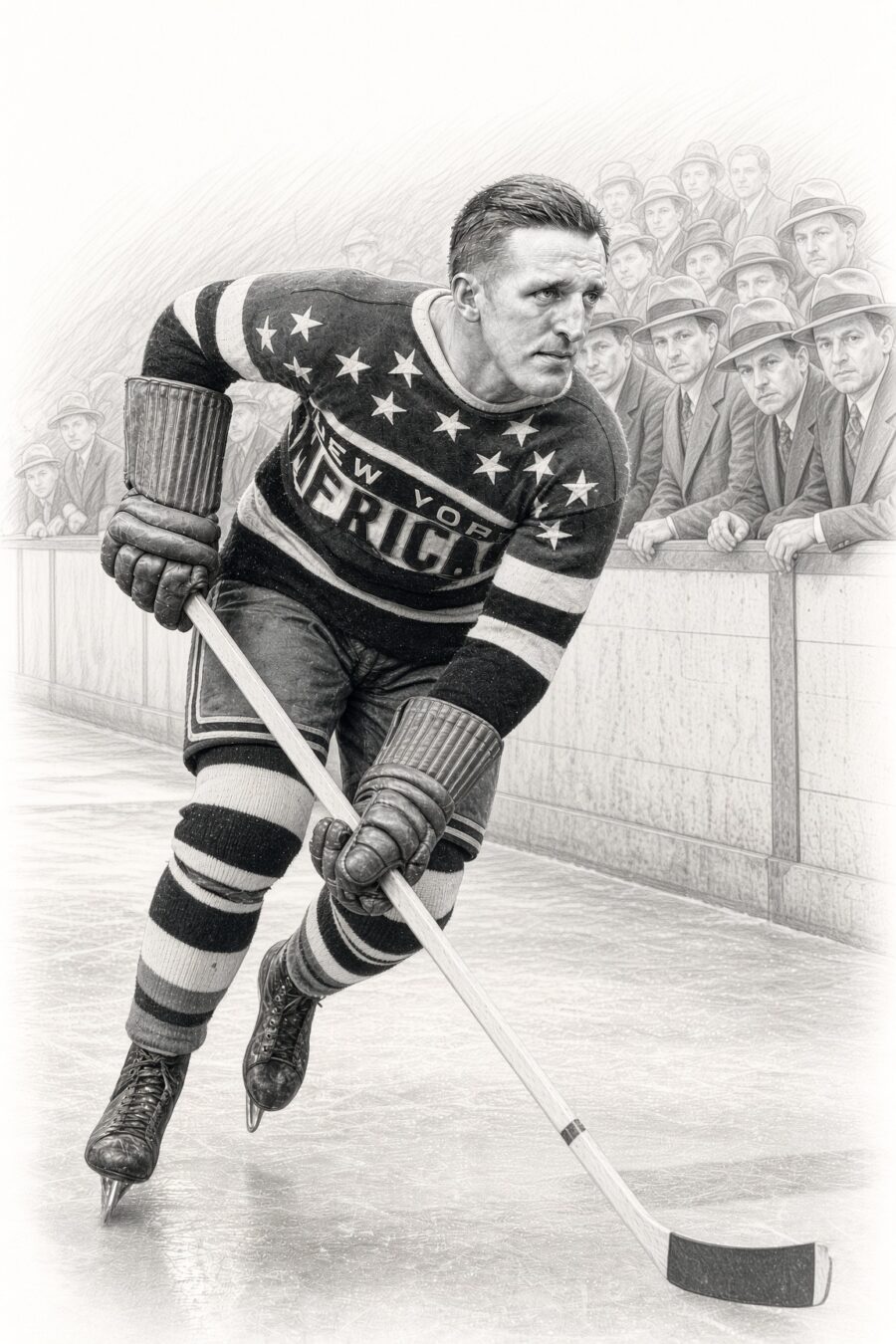
A nice trivia question: who is the only Hart Trophy winning skater eligible for the Hockey Hall of Fame who has not been selected? Answer: Tommy Anderson of the 1941–42 Brooklyn Americans. Anderson got his start as a journeyman winger who, at times, verged on the pretty good. As a forward he never led an NHL team in scoring but could occasionally come close. Then Anderson moved to defense and became, if not Bobby Orr, at least Brad Park for a day. In 1941–42 Anderson scored a record 41 points from the blue line, won the Hart almost naturally, and never played big-league hockey again.

It was the most improbable of Hart Trophy seasons, but there was far more to Anderson than his one great season or even his otherwise-modest NHL career. For all its strange turns, Anderson's career summarized an era of hockey that has almost passed from living memory.

Born in Edinburgh, Anderson emigrated to Calgary with his family as a toddler, then moved to nearby(-ish) Drumheller as a child. Anderson was something of a local phenom. Nicknamed "Cowboy," especially locally, Anderson turned out for the Drumheller CNR junior team alongside his brother Liston. In one memorable game, the Anderson family played the Drumheller juniors minus Tommy and Liston. With their father Alex, who allegedly had never been on skates before, in goal, the Andersons beat their junior teammates 5-4. By December 1929 the 19-year-old Anderson was described as "the idol of the fans all of last season," which seems justified, and "a speedy skater," which perhaps does not.
Continue reading

The Brilliant Flash of Dennis Maruk

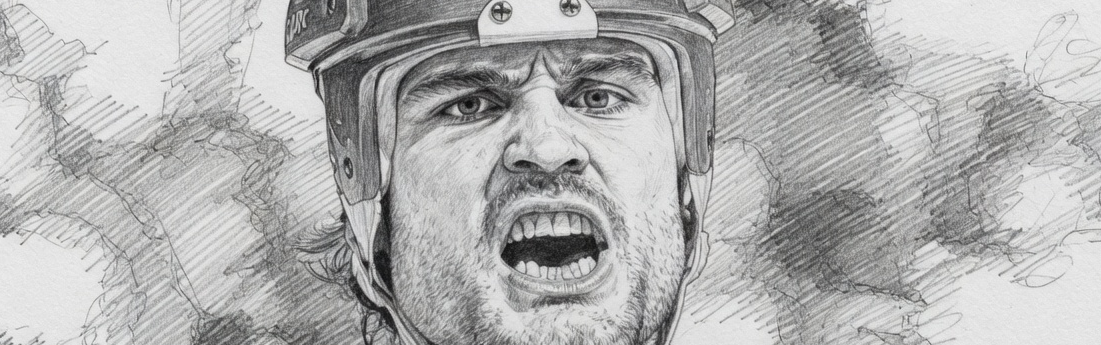
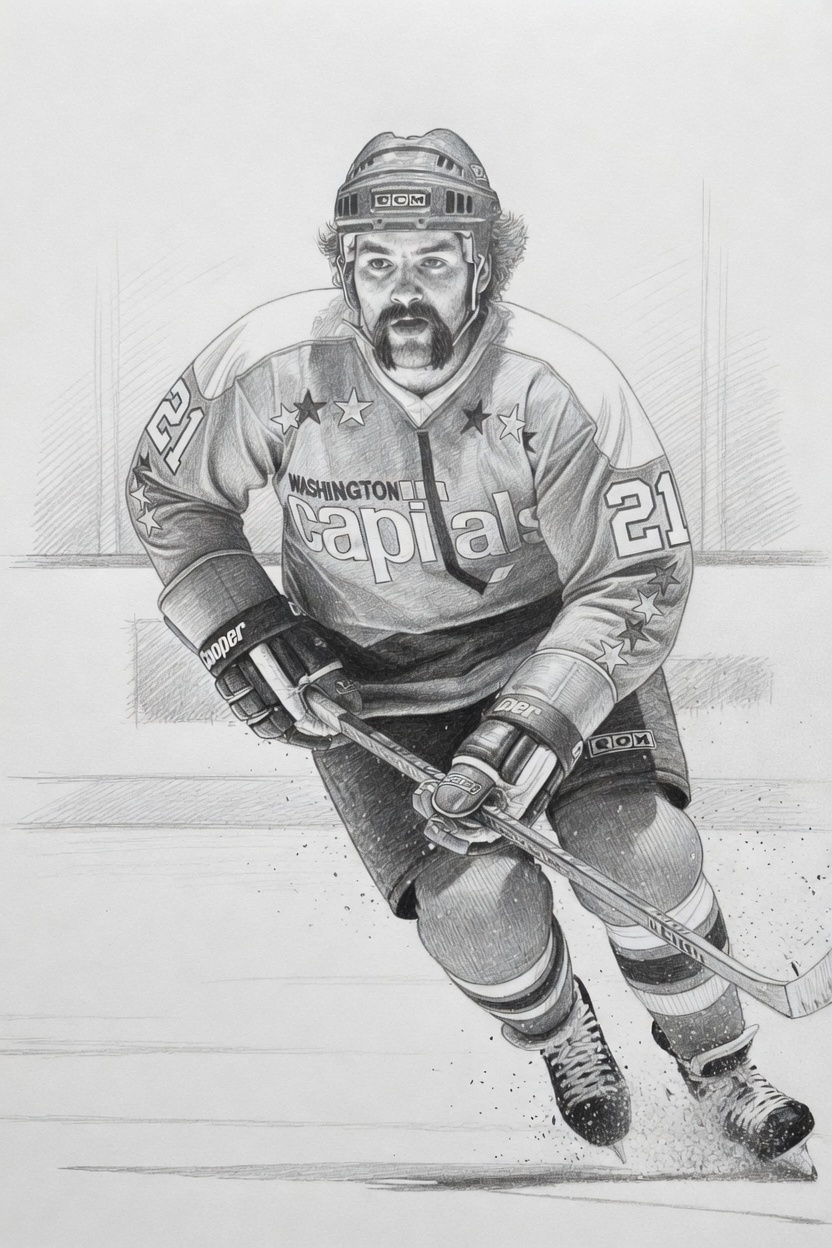
The 1981–82 Washington Capitals, 26-41-13, were not a great team. Last in the old Patrick Division, though being the early Capitals it was about their best squad yet. They were on the verge of making the playoffs, it showed in the underlying numbers, with their bit-better-than-median goals for and bit-worse-than-median goals against, but it was waiting to come together. They had a 22-year-old Mike Gartner, an 18-year-old Bobby Carpenter, a 23-year-old Bengt-Åke Gustafsson, and a few other young-ish players of reasonable quality. Their captain, Ryan Walter, was 23 and not too bad. So naturally their leading scorer was some guy named Dennis Maruk.

Not by a little bit. Walter was second on the team with 87 points, followed by Gartner with 80; Maruk had 136. He scored four hat tricks, he made the All-Star Game, he was fourth in the voting for the season-ending All-Star team at centre and seventh in voting on right wing, which says something, and sixth in the Hart. He finished fourth in the NHL that year in points, behind Wayne Gretzky, Mike Bossy, and Peter Šťastný; ahead of Bryan Trottier, Denis Savard, Marcel Dionne, Dino Ciccarelli, Glenn Anderson, Dale Hawerchuk, and Bernie Federko, to name only the Hall-of-Famers in the top 20. Third in goals with 60, behind Gretzky and Bossy. Sixth in assists, behind five Hall-of-Famers. Maruk and Bernie Nicholls are the only eligible players to have recorded a 60-goal season and not make the Hall of Fame and Nicholls got 30 assists from Gretzky. It was a killer year. Maruk's mustache may be second only to Lanny McDonald's in the era, and Lanny's in the Hall of Fame too.

This was not Maruk's only pretty good season; he was an All-Star in 1977–78 with the Cleveland Barons, because somebody had to be, and had another 50-goal season and a total of four 80-point seasons. Maruk actually outscored Gartner in each of the four full seasons they played together, and sure Gartner was young; it was four seasons over five years and it was still Mike Gartner. However, hanging out with Gretzky and Bossy was a one-off. 136 points was 29% better than his second-best career total. Sure, he scored 50 goals another time, but it was exactly 50, and his usual level was 30-odd.

Continue reading