Skip to content

The NHL’s Great Pests Were Underrated

I’m trying to post every week for a few months, and sometimes you’re going to get one that’s mailed right in, in an envelope that smells a bit like Blue Buck. You get what you pay for.

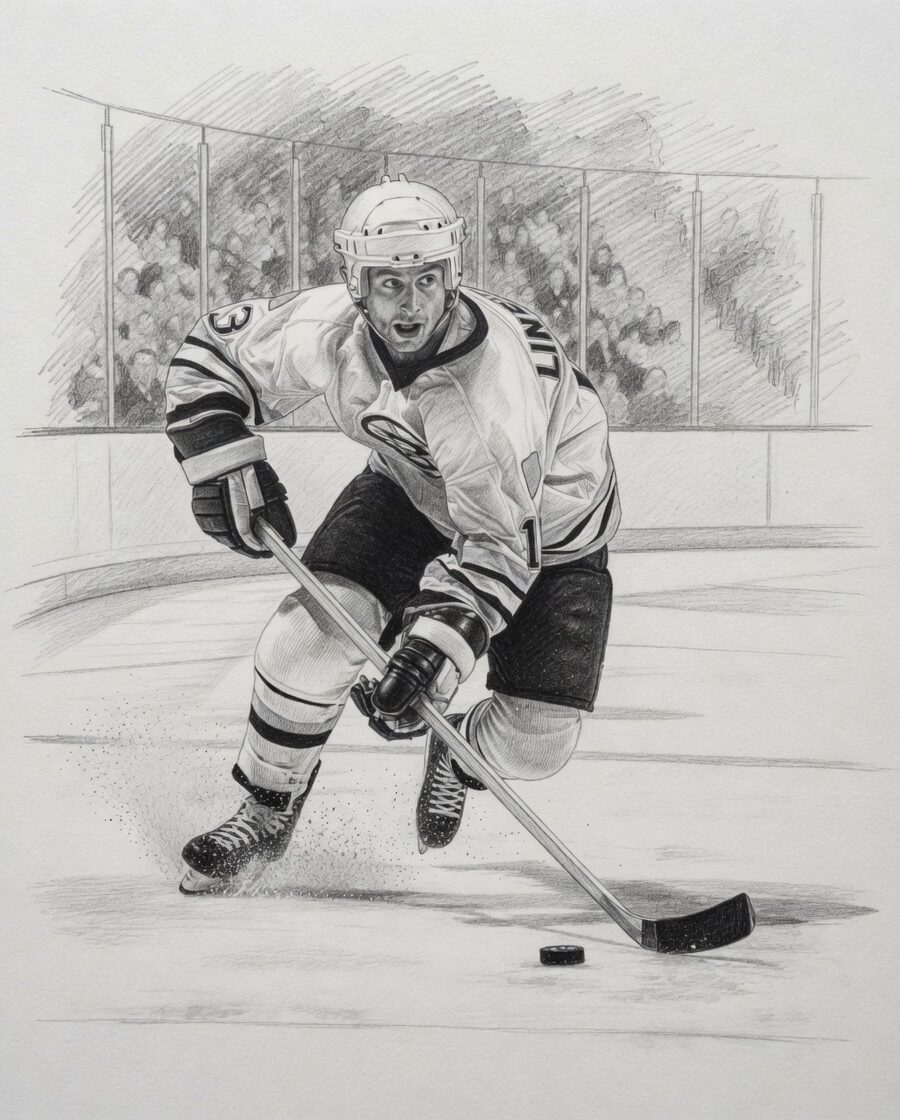
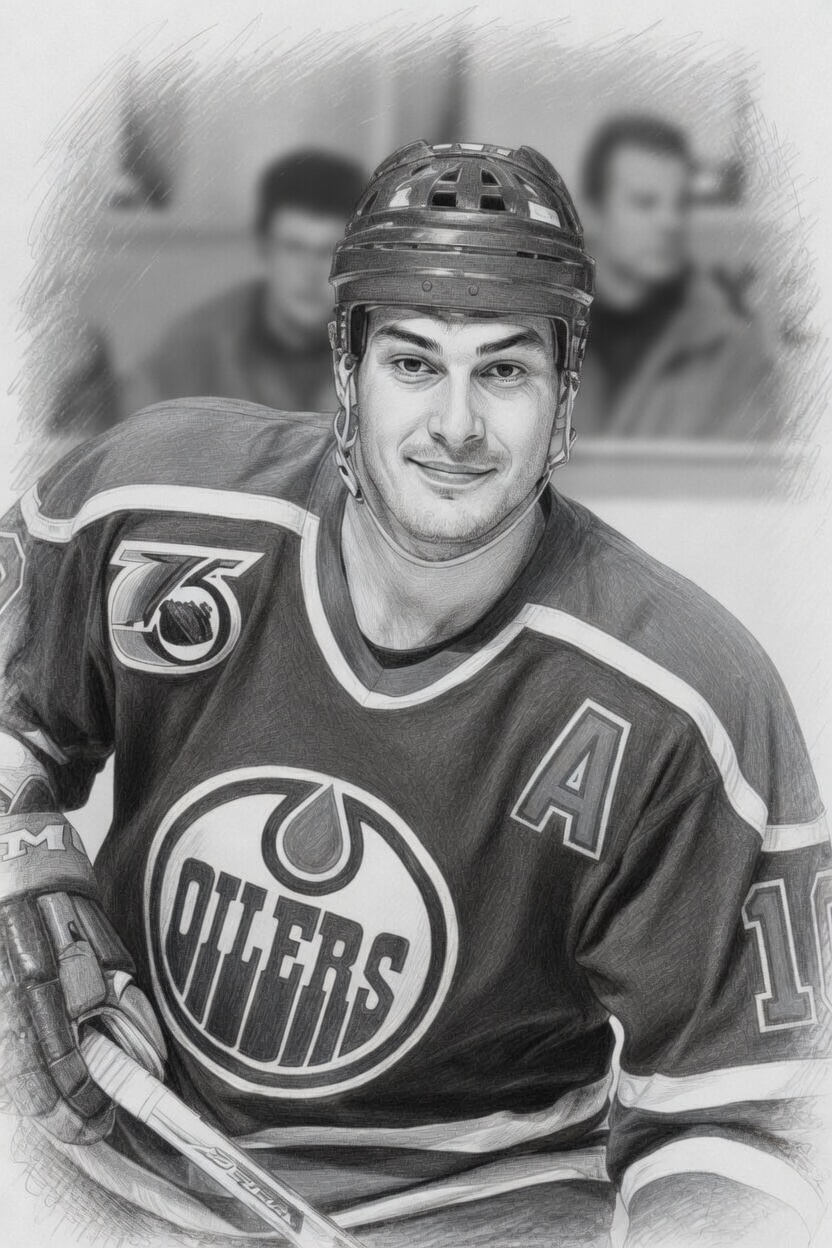
Last week I made a throwaway remark about how good a player Ken Linseman was. For the under-35s, Linseman was ubiquitously known as “the Rat” and that’s about all you need. He was an incredible player, for a certain meaning of “incredible,” all filthy stickwork and imaginative torments, every shift, nineteen minutes a night, seventy games a year. When he finally said just the wrong thing, and you turned on him with your glove slipping off your hand, then unless you were 6’0″ and didn’t fight much it was not Ken Linseman waiting at all but somehow Dave Semenko or Jay Miller or some other cement-handed ruffian. Oopsie-poopsie.

The man even skated like a deadbeat, trundling along in an Aqualung hunch; his teams should have issued him a trenchcoat. He played hard, he goaded hard, his very face was infuriating, and he was never happier than when he agitated you into a mistake that his team could exploit. He wore #13 in Edmonton and Boston. Even playing alumni games he somehow managed to show up with the most ridiculous swimming-goggles glasses you’ve ever seen like his very aging process was goading the opposition to take an unwise swing at the Rat. He knew exactly what he was. Linseman was also, incidentally, by all accounts a boisterous but solid human being, and a really good hockey player. In Edmonton he was obviously a cut below the really great players, but still an awfully good second-liner because the first-line centre spot was just plain off limits, and in Boston Cam Neely was definitely his superior, but from the scoring record Linseman was a solid, solid first-line centre for decent teams. No sport other than hockey could produce a player like Ken Linseman. He was an astonishing specimen.

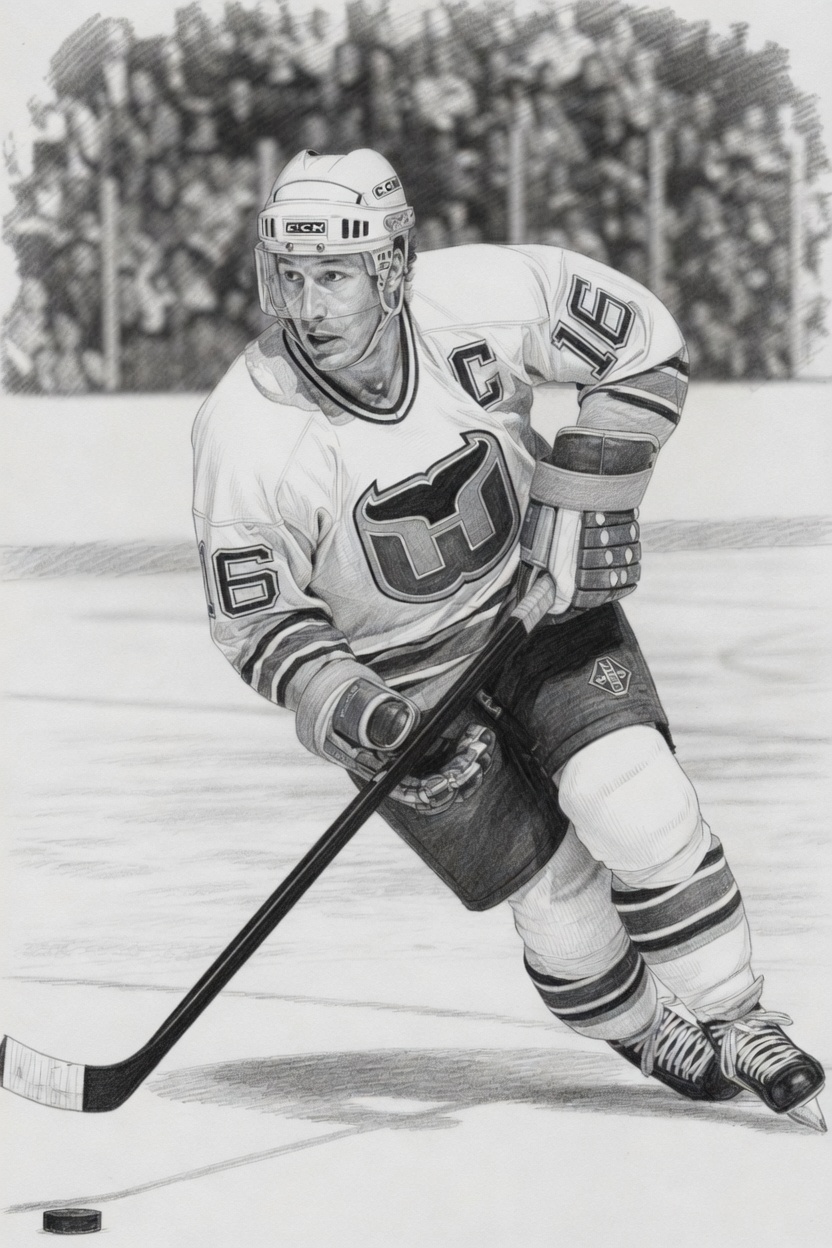
What is a pest? A pest is a player you hate to play against and aren’t entirely comfortable playing with. A pest doesn’t have to be dirty, though it helps. Pests can be pretty indifferent players, like Sean Avery or Jarkko Ruutu, but they can also be really good, like Linseman, or probable Hall of Famers like Brad Marchand. We distinguish pests from goons because pests avoid fighting, but that’s not an absolute. The venerable Hockeyfights.com says that Linseman fought 27 times in his NHL career. When you look at the card you see a lot of guys like Dave Hunter, Guy Carbonneau, Steve Kasper, Mark Napier, and Petr Svoboda. Charlie Bourgeois, a proper tough guy, got a turn with Linseman once, which must have been very satisfying to everyone except Ken Linseman, but that was very much the exception. Think of Brad Marchand against Lars Eller as the modern specimen of the pest-fight: it’s not that he won’t do it, it’s not even that he won’t win if he does, but the pest is acutely interested in picking only battles he can win. Moreover, unlike goons, “pests” run almost the full gamut of hockey talent from crummy to elite. A great player who can fight is never called a goon, except by his adversaries, but a great player who is annoying remains a pest.

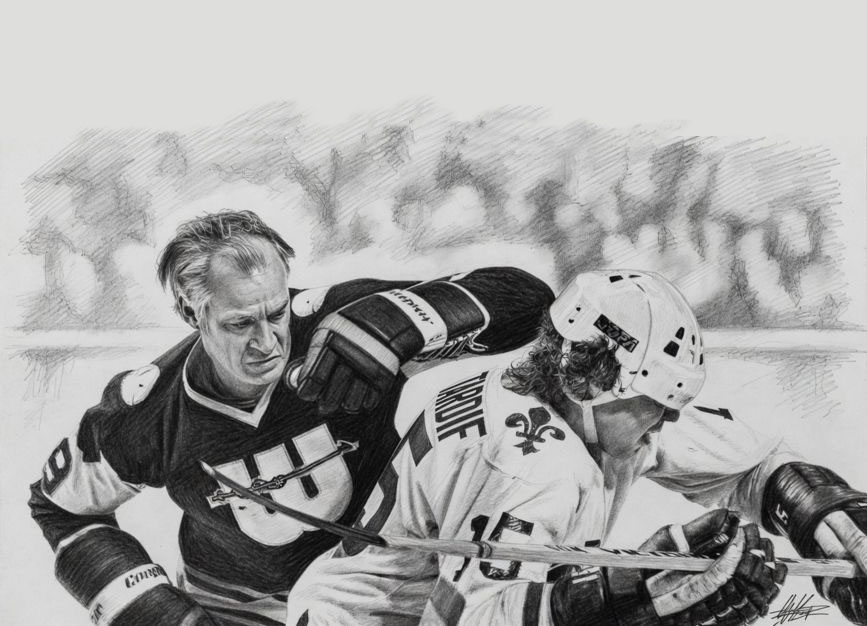
Bobby Clarke and Dino Ciccarelli are the two Hall-of-Fame pests. There are no Hall-of-Fame goons. Clarke might have been a Hall-of-Famer even if he’d been a nice guy; Ciccarelli definitely wouldn’t. They both did pest things, but for me part of the beau ideal of a pest is that their agitation is under control; they are finely controlled artillery pieces rather than loose cannons. That describes Clarke (and Linseman, and Marchand, and the other good ones) but not Ciccarelli, who could really be a bit crazy. Clarke would “tap” Valeri Kharlamov on the ankle; Ciccarelli would get in impulsive stick fights.

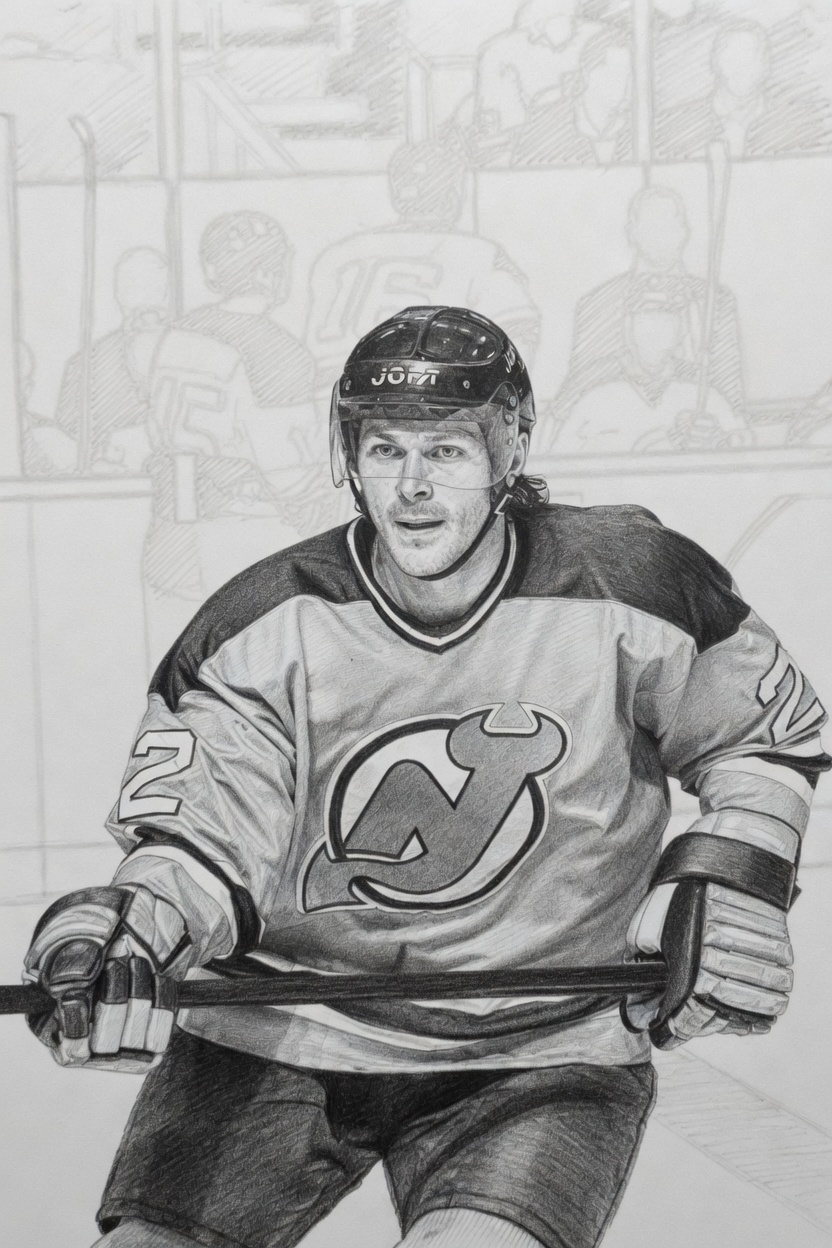
Linseman was probably the best pure pest of his era. Esa Tikkanen was not really in that class, he just didn’t have the hands, but for all the agitation and “Tikk-Talk,”1 for all the trades for Craig MacTavish or a box of doorknobs, he still put up more points than you probably remember for a lot of years. Later on, Pat Verbeek, the original Little Ball of Hate, was a legit Ron Francis/Geoff Sanderson-level scorer for a couple seasons despite spending as much time in the penalty box as a Hanson brother and usually seeing the power play from the bench. Claude Lemieux led the New Jersey Devils in scoring a couple of times when they were good, and granted that was the ’90s New Jersey Devils, you led them in scoring if you remembered to try sometimes, but Lemieux was unanimously a quality defensive forward and unanimously a colossal pain in the ass to play against. Then of course there’s Theoren Fleury, another bite-sized terrier. He lived hard, he played hard, when he was on his game he was impossible to play against and when he was off his game he was only more infuriating because instead of scoring he’d do anything else he could to hurt you. He definitely compares strongly to Ciccarelli, stylistically, and for me was a clearly better forward, but is outside the Hall-of-Fame for what appear to be non-hockey reasons.
Most of them were small, but Tikkanen was a solid 6’1″ and Linseman was “average” rather than “short.” Most were good skaters, Fleury and Tikkanen were great, but Verbeek was average at best. These players have two things in common: you hated, but absolutely hated, dealing with them, and none of them are in the Hockey Hall of Fame.

Which is strange. Power forwards, defensive forwards, soft scorers, any category you like; a few outsiders always slip in to bathe in the font of honour on Front Street. But pests? Clarke and Ciccarelli. Clarke is a “no-doubter” remembered for scoring, leadership, and playing dirty. Ciccarelli was a superb player who infuriated everyone he played against, made every team he joined better, made every team he left worse, and skated like a drafthorse. Ciccarelli is not a bad Hall-of-Famer, but pest-wise seems to not quite capture the spirit of the thing.

I do not propose to say that any other pest, except Fleury, deserves to be in the Hockey Hall of Fame: I say only that they have been underrated as a class. It is not strange that no goons show up as marginal Hall-of-Famers, for fighters who play even close to a Hall-of-Fame standard are not goons. It is a bit strange that pests, who are quite common, make such an impact on the game, and can be very good, don’t “sneak in” a marginal candidate. There are a fair few forwards worse than Ken Linseman in the Hall of Fame. A decent handful worse than Pat Verbeek. Scorers get the benefit of the doubt, Euro legends get the benefit of the doubt, defensive forwards get the benefit of the doubt, old Leafs get the benefit of the doubt, but the media guys don’t give the pests a break. They’re fun to think about. Not play against, God no. But on the list of players you love to cheer for and hate to cheer against, Ken Linseman, Claude Lemieux, Theo Fleury, Esa Tikkanen, and Pat Verbeek have to be up there, by the standards of any sport.

Marchand is of course going to be Hall of Fame pest number three; write that in very dark pencil. He’s just been too good for too long, he’s way past “marginal” and into Steve Yzerman territory. Leaving him out would be criminal, even more criminal than Fleury. Though the Hockey Hall of Fame seems to suffer a collective brain bleed quite frequently, they seldom lose it that badly.

However, did you ever notice how much Brad Marchand just looks like Ken Linseman? Same nose, same face, same I-hate-you style as soon as they were out of their stride and mucking it out for puck possession, their names are shaped the same for crying out loud. You can’t carry this too far. Linseman was bigger and Marchand was (and is) a considerably more refined skater. But they have an almost stupefyingly similar physiognomy, they both spent their prime years in Boston, they both provoked exactly the same reaction in the opposition, and allowing that Marchand is better (for he is), it’s remarkable.

Ken Linseman should probably not be in the Hall of Fame. His point shares/82 games is in Dick Duff territory, which is almost axiomatically not good enough. I very, very strongly suspect that underrates Linseman, on the “vibes” test: as a baby he could outscore Bobby Clarke sometimes, as a veteran he could outscore Cam Neely sometimes, many of his prime years were spent losing ice time to the best centre who ever lived. He was always hanging out there, Doug Weight except you wanted to kill him, but then Doug Weight isn’t in the Hall of Fame either. I quibble with the precise placement, but not with the overall result.

When I say “Ken Linseman is underrated,” I mean that if you got Ken Linseman on your hypothetical all-1980s/90s team, you’d say “sweet, I’m going to be fine on 1C except when I face Wayne and Mario, and fair enough.” I do not mean “you’re going to win the championship with Ken Linseman as your best player” because that never happened. In Boston Linseman was pretty obviously their second-best player, behind Ray Bourque, and later third behind Neely; they rather famously didn’t win. But Linseman wasn’t the problem. He always punched above his weight, in Edmonton he won Cups. Boy you’d love to have him around.

Esa Tikkanen was not anything like that good. In hindsight, I can’t imagine why Tikkanen wasn’t better than he was. Oh my stars that man could skate, and he’d have his stick around your waist as he told you, well, anything, with Tikkanen it didn’t matter what he was saying so much as how he was saying it. Even saying that Tikkanen “didn’t have the hands,” which I rather blithely did above, doesn’t hold up for a winger who shot 12.8% over his NHL career. Yet something was not there. As Churchill said of Curzon, he possessed every quality except greatness. His shooting numbers were rounding-error identical with Pat Verbeek2 and Verbeek was a much inferior skater. Against this, as Verbeek moved through the slings and arrows of outrageous fortune, his results had about the shape you expect, whereas when Tikkanen was done he was done.

Verbeek was probably quite significantly the better player; Tikkanen the more interesting. Tikkanen is not a Hall-of-Famer, unless you draw your Hall of Fame line around Bob Gainey and then everyone can get in; Verbeek was kinda close. Not close enough to make a government case out of it, but again, the plain scoring forward versions of the Little Ball of Hate are sometimes in the Hall, like Lanny McDonald. Everyone loved Lanny. The same is not true of Pat, who was inconsistent, who held out a few times, and who could undermine his coach from time to time. Lanny was a great guy for charity, which helps your Hall of Fame case as a player; Pat is off to a good start as a general manager and who knows, might yet get in for that, but not as a player. It’s pretty well-known that Verbeek is in a rare club of 500-goal, 1,000-point players who aren’t in the Hall of Fame, but it’s interesting that though he hung on a couple seasons too long, Verbeek actually hit the milestones in his last properly productive season in Detroit.

Should Claude Lemieux be in the Hall of Fame? He was a great defensive forward on some great defensive teams, but I just argued that ain’t worth much. Unlike Bob Gainey, Lemieux was also an effective scorer. He was dead clutch, routinely stepping his scoring up in the playoffs, winning a Conn Smythe Trophy, and helping three separate franchises win Cups. He played in some of the lowest-scoring contexts consistent with winning, which means his numbers must look worse than his ability, and was a seriously effective two-way forward. Just by being himself he gave the Dead Puck Era some of its greatest interest, whether it was smoking Kris Draper or turtling for Darren McCarty. You don’t go in the Hall for losing a fight, but Lemieux’s 33 career fights include some real throwers: McCarty was in Lemieux’s weight class but a much more accomplished fighter, and then you see Cam Neely, who was like McCarty with skill, and Theo Peckham, a lousy, larger player who Lemieux for some reason fought when he was 43. Lemieux fought Rob Ray, he fought Chris Simon, the man was not shy. He laid it all on the line. One gets the impression that Claude Lemieux liked everything about winning hockey. Dads don’t really want their kids to play like pests, but if you did you’d point to Claude Lemieux and say “play like that guy.” None of this adds up to a Hall-of-Fame case. Leading the Devils in scoring a few times does not a Hall-of-Famer make. It didn’t help Lemieux’s case that he hung on so friggin’ long that by the time he was eligible he was remembered as that old son-of-a-bitch and not the dangerous two-way forward he’d been in his prime, but Trevor Linden, who might almost be your counter-factual Claude Lemieux, “Claude Lemieux if people loved him rather than loved to hate him,” is not in the Hall. Worse than Pat Verbeek. Better than you might remember, though.

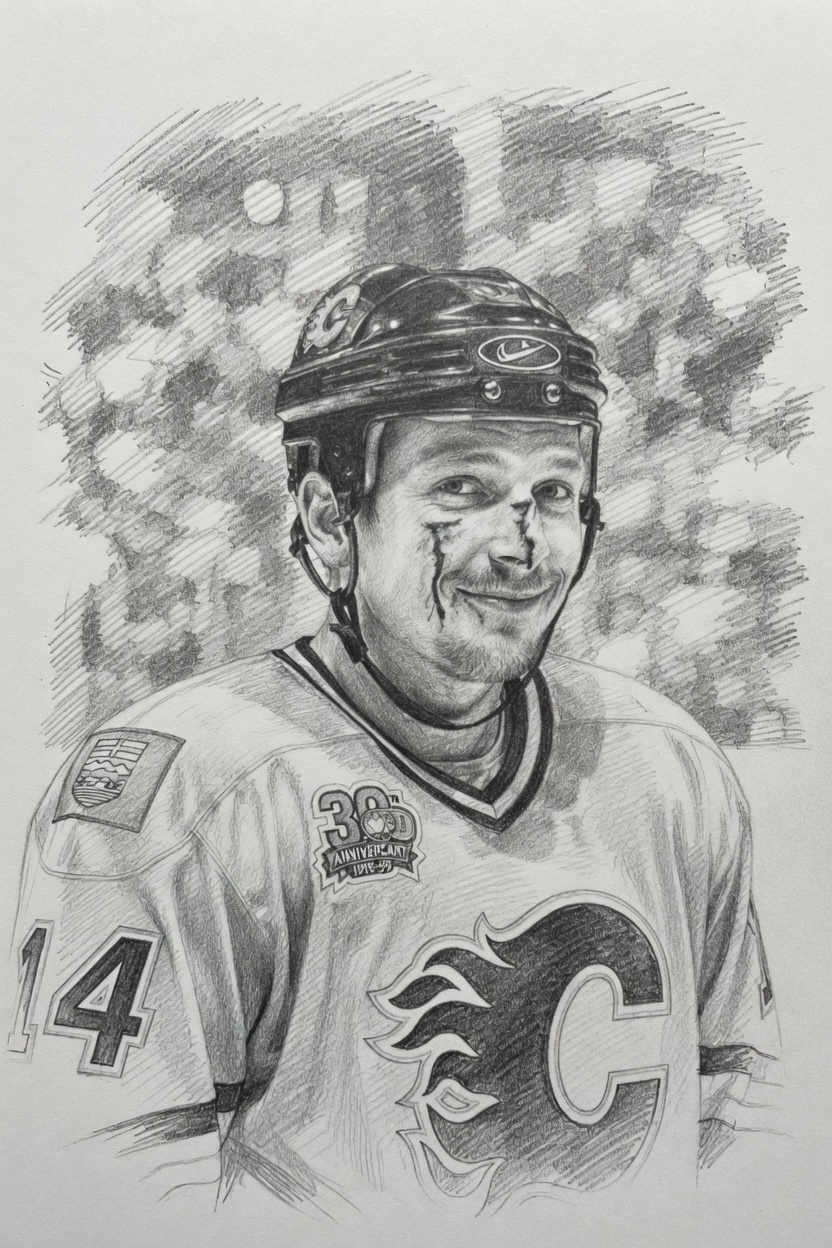
Then there’s Theo Fleury. The argument against Fleury being in the Hall of Fame, essentially, is that he had a fairly short productive career, so did not accumulate points, while he was not the dominant forward of his generation, so he didn’t win scoring titles. You can be either a brilliant-but-brief flash in the pan like Bobby Orr, or last forever like Dave Andreychuk, but you have to do at least one of those things and Fleury did neither. Built into this is the unspoken assumption “and there are guys you give the benefit of the doubt anyway, and then there’s Theo Fleury.” You can let a Dino Ciccarelli slide, eventually, because he was more known for “incidents” rather than “lifestyle” and once he’s old and slowed down, those incidents are paragraphs in the Wikipedia article rather than living memories. You can let Tim Horton slide, because (geez it’s hard to phrase this) he paid the price for his own flaws, and it was the 1970s and people had different attitudes then. You can let Doug Harvey slide because he was too good not to. Fleury’s still out there, he published a book detailing how he was sexually assaulted by his coach as a teenager, every so often he shows up in the press talking about his demons, he has an X account, he does not live in a way calculated to win the approval of Official Hockey.

If you’re Paul Kariya, and you don’t produce because you’re hurt, that’s considered a physical defect for which allowances should be made, up to a limited but real point, in your Hall-of-Fame case. If you’re Theo Fleury, and you don’t produce because you have problems with booze and drugs, that’s considered a character flaw for which if anything you lose points. In life, that’s a good heuristic. Acknowledging that Fleury’s problems started because of something outside his control it is still true that if, based only on what you know about them as public figures, you had to pick one of them to babysit your kids, 100 out of 100 parents pick Paul Kariya.

The Hall of Fame is not really that, though. There are men who drank themselves to death in the Hall of Fame. There are plenty of lousy fathers in the Hall of Fame. To be ruled out of the Hall of Fame on character grounds takes something much more serious than inebriation and controversial political takes. Alan Eagleson and Gil Stein were non-players kicked out of the Hall of Fame, basically, for exploiting the game of hockey, in Eagleson’s case, criminally. Dany Heatley isn’t in the Hall of Fame, and might be the closest comparison, because at his best he was better than Fleury, but he had an even lesser degree of sustained success and, to phrase it as sensitively as I can, the black mark on Heatley’s record is worse than that on Fleury’s.

It’s probably not quite fair to give Fleury bonus community-service points for exposing that junior hockey could be a happy hunting ground for paedarasts. Sheldon Kennedy blew that story open and put his name on it; Fleury did his bit but Kennedy had the courage to be first. Nor do I propose to say that Fleury’s personal issues “don’t count.” Character is a good thing, and good character, like Kariya’s, is a good tie-breaker. Then again, Fleury isn’t Alan Eagleson; not ruining lives, but a few self-admitted DUIs he wasn’t busted for and the occasional nightclub brawl. I think it would be fair to say that Fleury acknowledges himself as having been a bad husband and a bad father. Those are, candidly, pretty standard hockey misdemeanours. They’re bad, but they’re not disqualifying, and the reason we know about most of them is that Fleury told us.

None of this would matter Hall-of-Fame-wise if Fleury wasn’t good enough, but he was. We remember Fleury as the exuberant kid who fired up the Flames to the 1989 Stanley Cup, but Fleury was a ’90s Guy, not an ’80s Guy; his first seasons in the last years of free scoring pushed him above the point-per-game plateau for his career, whereas Kariya was not quite there, but they were similar offensive players. Probably you’d take Kariya’s best two seasons over Fleury’s best two, but would you take Kariya’s best three? His best four? His best five? His best ten? You’d take Heatley’s best three seasons over any of them but boy he got mediocre. Add in the fact that Fleury was a thorough agitator who helped his teams win by means other than scoring, and the difference between having Teemu Selänne as your best linemate and having a hot minute of Gary Roberts and Joe Nieuwendyk, and the comparison comes out in Fleury’s favour. Fleury, not as he could have been but as he was, was a more useful player than Kariya, not as he could have been but as he was, and Kariya’s Hall of Fame case is not very controversial. Fleury’s point shares per game over his career put him in no-doubt-about-it Hall of Fame range, way ahead of (to pick only players with comparable career lengths) Michel Goulet and Joe Mullen. He’s a fair bit behind Kariya3, but this is still eminently respectable, borderline-indisputable, Hall of Fame territory. Even in career point shares, giving no adjustment for games played, Fleury recorded more than Henrik Sedin and, for that matter, Bobby Clarke and Dino Ciccarelli.

Other players get the benefit of the doubt. Grant Fuhr got the benefit of the doubt for his cocaine problem, although the only major award he won was one of the worst Vezina decisions ever given out and he was a seriously winning goalie only on teams where it was impossible for the goalie to lose. Guy Lafleur drank hard for years and almost got decapitated when driving drunk; he gets the benefit of the doubt. Pests, like Fleury, do not, because everyone loved Guy Lafleur and boy Theo Fleury and Ken Linseman were not the same. If Fleury had been a 6’1″ guy who played clean and looked great in the uniform, he’d be a Hall of Famer demons or no, but he wasn’t, so he isn’t. Pests are underrated.

  1. Attention fellow old guys: every source I have ever found says that Tikkanen’s blend of Finnglish was called “Tiki-talk,” but “Tikk-talk” is so obviously more assonant that I decline to believe it. If you played in the NHL in that time and you can shed some light, please leave a comment, but absent first-hand contradiction I absolutely refuse to believe hockey players thought “Tiki-talk” sounded better unless you, Charlie Simmer or whichever 1980s-90s player you are, swear otherwise.
  2. Tikkanen: 2.29 SoG/GP; Verbeek: 2.31 SoG/GP
  3. Fleury: 8.34 PS/82GP. Kariya: 9.06. Goulet: 7.30. Mullen: 7.04.

Leave a Reply

Your email address will not be published. Required fields are marked *