I’m trying to post every week for a few months, and sometimes you’re going to get one that’s mailed right in, in an envelope that smells a bit like Blue Buck. You get what you pay for.
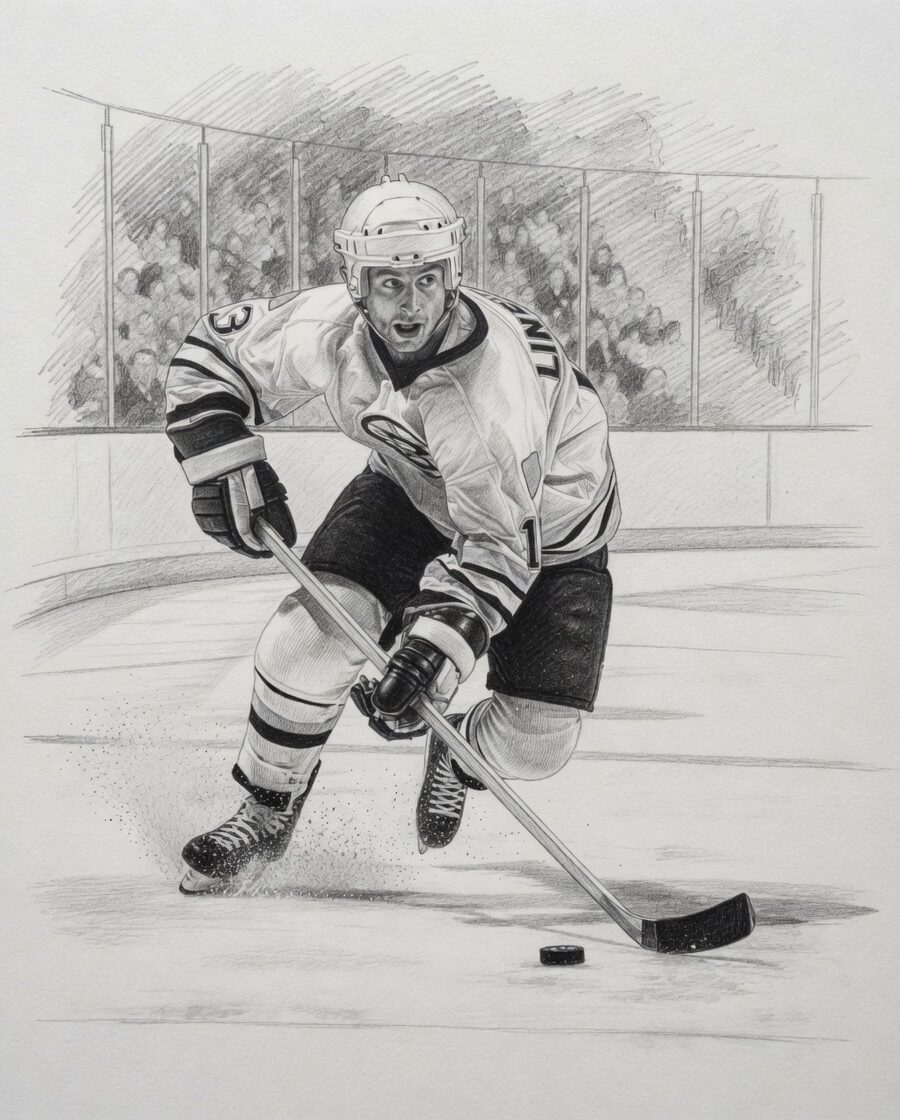
Last week I made a throwaway remark about how good a player Ken Linseman was. For the under-35s, Linseman was ubiquitously known as “the Rat” and that’s about all you need. He was an incredible player, for a certain meaning of “incredible,” all filthy stickwork and imaginative torments, every shift, nineteen minutes a night, seventy games a year. When he finally said just the wrong thing, and you turned on him with your glove slipping off your hand, then unless you were 6’0″ and didn’t fight much it was not Ken Linseman waiting at all but somehow Dave Semenko or Jay Miller or some other cement-handed ruffian. Oopsie-poopsie.
The man even skated like a deadbeat, trundling along in an Aqualung hunch; his teams should have issued him a trenchcoat. He played hard, he goaded hard, his very face was infuriating, and he was never happier than when he agitated you into a mistake that his team could exploit. He wore #13 in Edmonton and Boston. Even playing alumni games he somehow managed to show up with the most ridiculous swimming-goggles glasses you’ve ever seen like his very aging process was goading the opposition to take an unwise swing at the Rat. He knew exactly what he was. Linseman was also, incidentally, by all accounts a boisterous but solid human being, and a really good hockey player. In Edmonton he was obviously a cut below the really great players, but still an awfully good second-liner because the first-line centre spot was just plain off limits, and in Boston Cam Neely was definitely his superior, but from the scoring record Linseman was a solid, solid first-line centre for decent teams. No sport other than hockey could produce a player like Ken Linseman. He was an astonishing specimen.
What is a pest? A pest is a player you hate to play against and aren’t entirely comfortable playing with. A pest doesn’t have to be dirty, though it helps. Pests can be pretty indifferent players, like Sean Avery or Jarkko Ruutu, but they can also be really good, like Linseman, or probable Hall of Famers like Brad Marchand. We distinguish pests from goons because pests avoid fighting, but that’s not an absolute. The venerable Hockeyfights.com says that Linseman fought 27 times in his NHL career. When you look at the card you see a lot of guys like Dave Hunter, Guy Carbonneau, Steve Kasper, Mark Napier, and Petr Svoboda. Charlie Bourgeois, a proper tough guy, got a turn with Linseman once, which must have been very satisfying to everyone except Ken Linseman, but that was very much the exception. Think of Brad Marchand against Lars Eller as the modern specimen of the pest-fight: it’s not that he won’t do it, it’s not even that he won’t win if he does, but the pest is acutely interested in picking only battles he can win. Moreover, unlike goons, “pests” run almost the full gamut of hockey talent from crummy to elite. A great player who can fight is never called a goon, except by his adversaries, but a great player who is annoying remains a pest.
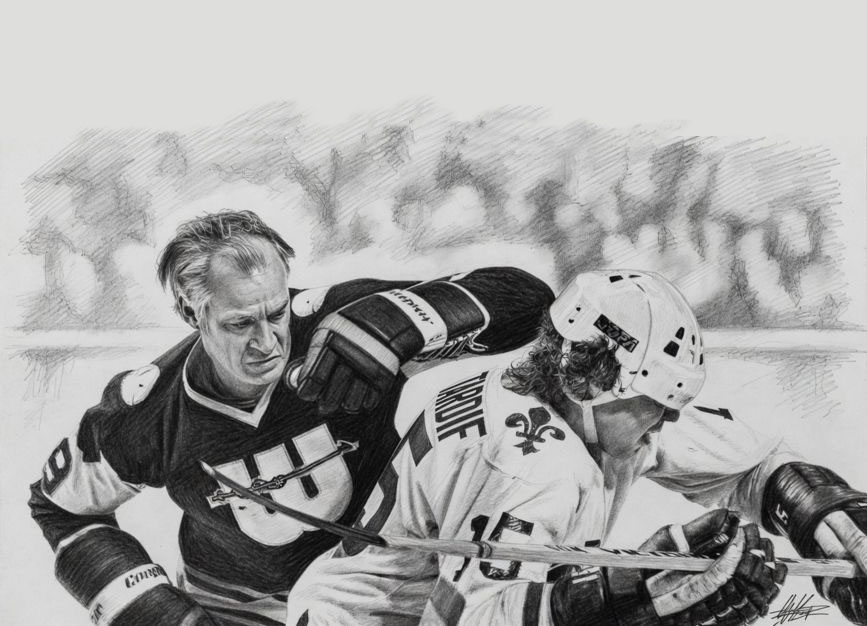
Bobby Clarke and Dino Ciccarelli are the two Hall-of-Fame pests. There are no Hall-of-Fame goons. Clarke might have been a Hall-of-Famer even if he’d been a nice guy; Ciccarelli definitely wouldn’t. They both did pest things, but for me part of the beau ideal of a pest is that their agitation is under control; they are finely controlled artillery pieces rather than loose cannons. That describes Clarke (and Linseman, and Marchand, and the other good ones) but not Ciccarelli, who could really be a bit crazy. Clarke would “tap” Valeri Kharlamov on the ankle; Ciccarelli would get in impulsive stick fights.
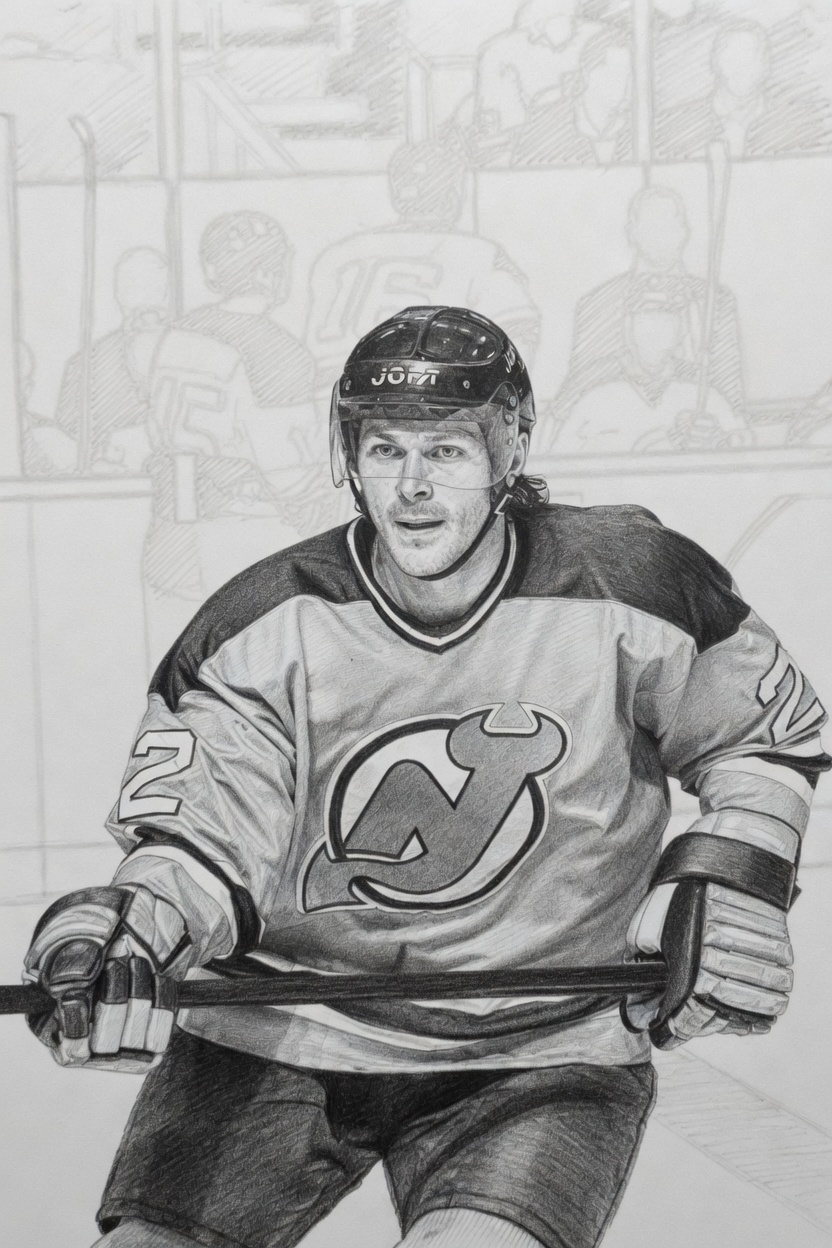
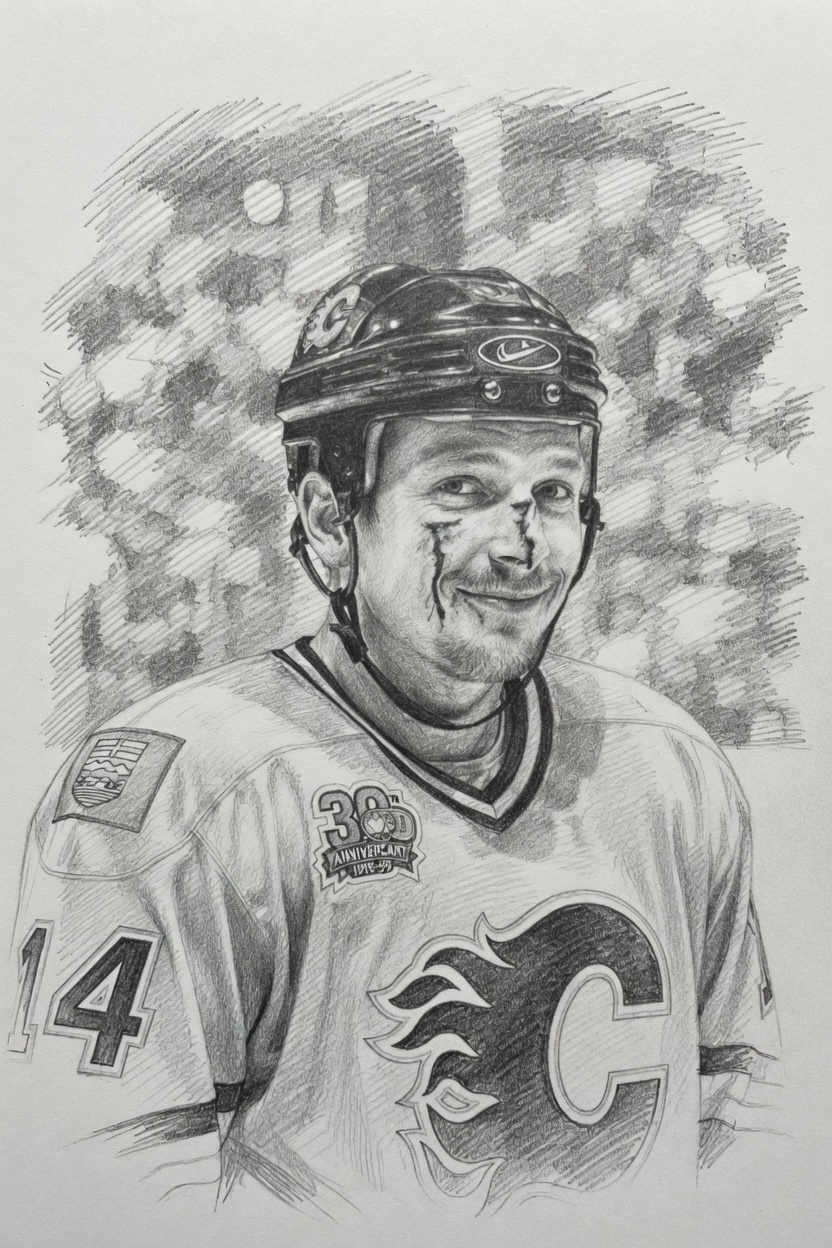
Linseman was probably the best pure pest of his era. Esa Tikkanen was not really in that class, he just didn’t have the hands, but for all the agitation and “Tikk-Talk,”1 for all the trades for Craig MacTavish or a box of doorknobs, he still put up more points than you probably remember for a lot of years. Later on, Pat Verbeek, the original Little Ball of Hate, was a legit Ron Francis/Geoff Sanderson-level scorer for a couple seasons despite spending as much time in the penalty box as a Hanson brother and usually seeing the power play from the bench. Claude Lemieux led the New Jersey Devils in scoring a couple of times when they were good, and granted that was the ’90s New Jersey Devils, you led them in scoring if you remembered to try sometimes, but Lemieux was unanimously a quality defensive forward and unanimously a colossal pain in the ass to play against. Then of course there’s Theoren Fleury, another bite-sized terrier. He lived hard, he played hard, when he was on his game he was impossible to play against and when he was off his game he was only more infuriating because instead of scoring he’d do anything else he could to hurt you. He definitely compares strongly to Ciccarelli, stylistically, and for me was a clearly better forward, but is outside the Hall-of-Fame for what appear to be non-hockey reasons.

Enjoyed this? Subscriptions help support future pieces. Support the site