How Good Was Vsevolod Bobrov?
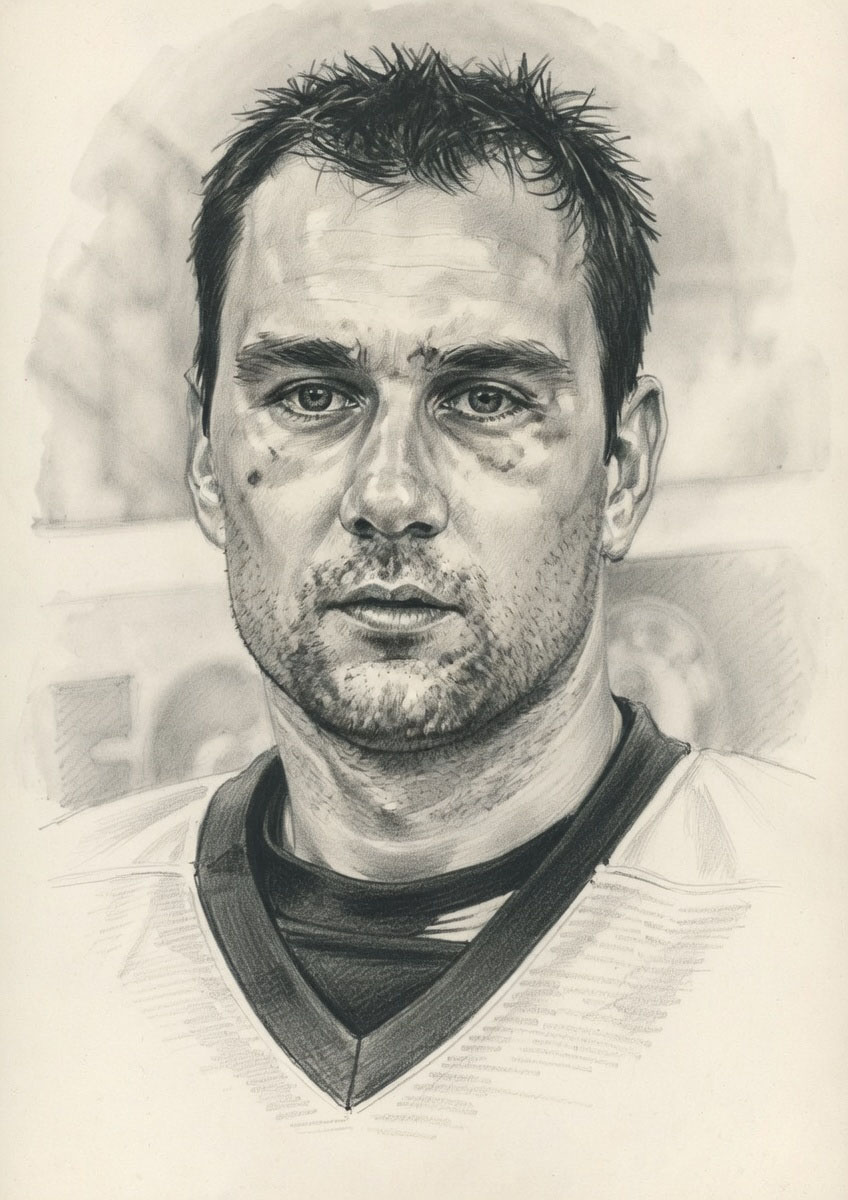
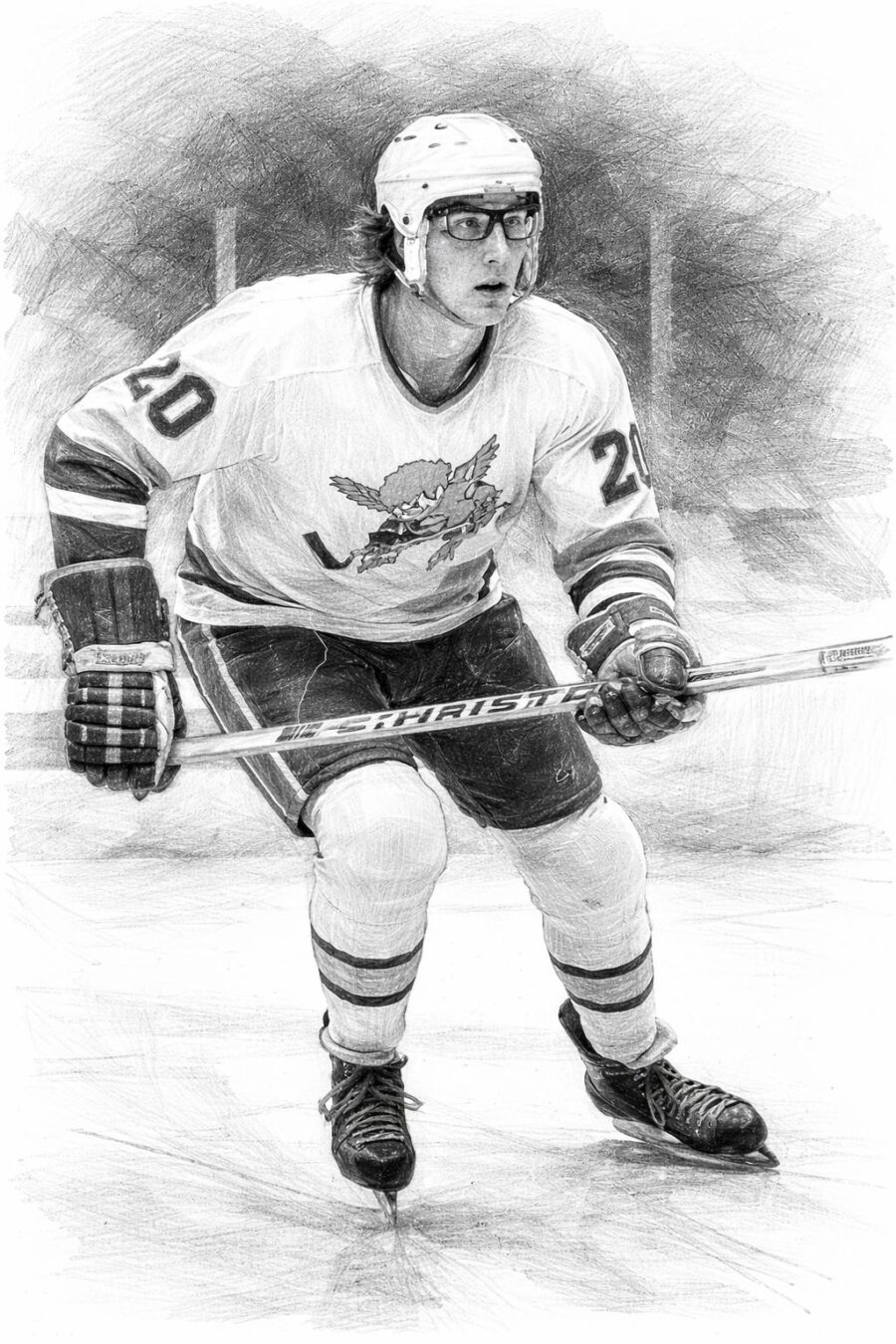
Vsevolod Mikhailovich Bobrov (December 1, 1922 – July 1, 1979) is the official first hockey hero of the Soviet Union, to the extent Soviet hockey went in for anything as bourgeoisie as heroism. The "Big Red Machine," the formless, perfectly-engineered game-winning communist automaton, all wheels and cogs and interchangeable parts cast in the foundries of the Red Army, was one-third real, one-third the team's goal, and one-third a contrast to North American individualism that appeared starker than it was. The men, like Bobrov, were still men: they lived and breathed and often enough partied like hellions, flying through the snow in their Ladas with a quart of vodka in the system and smoking Polish cigarettes, differentiated from Guy Lafleur by haircut and quality of goods. They left enough memories that Bobrov was named to the IIHF Hall of Fame on its founding a quarter-century after his death, was named to the IIHF "All-Time Russia Team" in 2020, and the KHL named one of its divisions after him.
Although a well-known Soviet athlete immediately after the war, Bobrov made his first international impact at the Olympics. The Summer Olympics, to be specific; in addition to hockey and bandy (which is to hockey as Pravda is to truth), Bobrov was an excellent soccer forward and captained the Soviet soccer team at the 1952 Summer Olympics. Bobrov began by scoring the equalizer in a 2-1 extra time preliminary-round win against a decent Bulgarian team lead by influential goalkeeper Apostol Sokolov. But that was nothing: the Soviets faced a good Yugoslav team next in the first round proper. Yugoslavia took a 3-0 lead at halftime; while Bobrov was able to make it 3–1 Yugoslavia got the next two to stake a 5–1 lead and, like Tito taking over Albania, they probably thought it was all over. At 75' Vasili Trofimov scored for the Soviets; Bobrov added his second at 77' to make a game of it, then completed his hat trick on 87'. 5–4. Aleksandr Petrov tied the game in the eighty-ninth of ninety minutes, and the Soviet Union had what match referee Arthur Ellis called "the most honourable draw ever recorded." There were no penalty shootouts in those days, so two days later they played again: Bobrov opened the scoring in the sixth minute, but the Yugoslavs took control after that, winning 3-1 and going on to the silver medal, losing only to Ferenc Puskás's unstoppable Hungarian "Magical Magyars." Ellis said of Bobrov, "he, almost single-handed, took the score to 5–5 [. . .] For once, use of the word sensational was justified."
This, it will be remembered, was Bobrov's second-best sport.