Skip to content

Author: <span>Ben Massey</span>

How Good Were the Hanson Brothers?

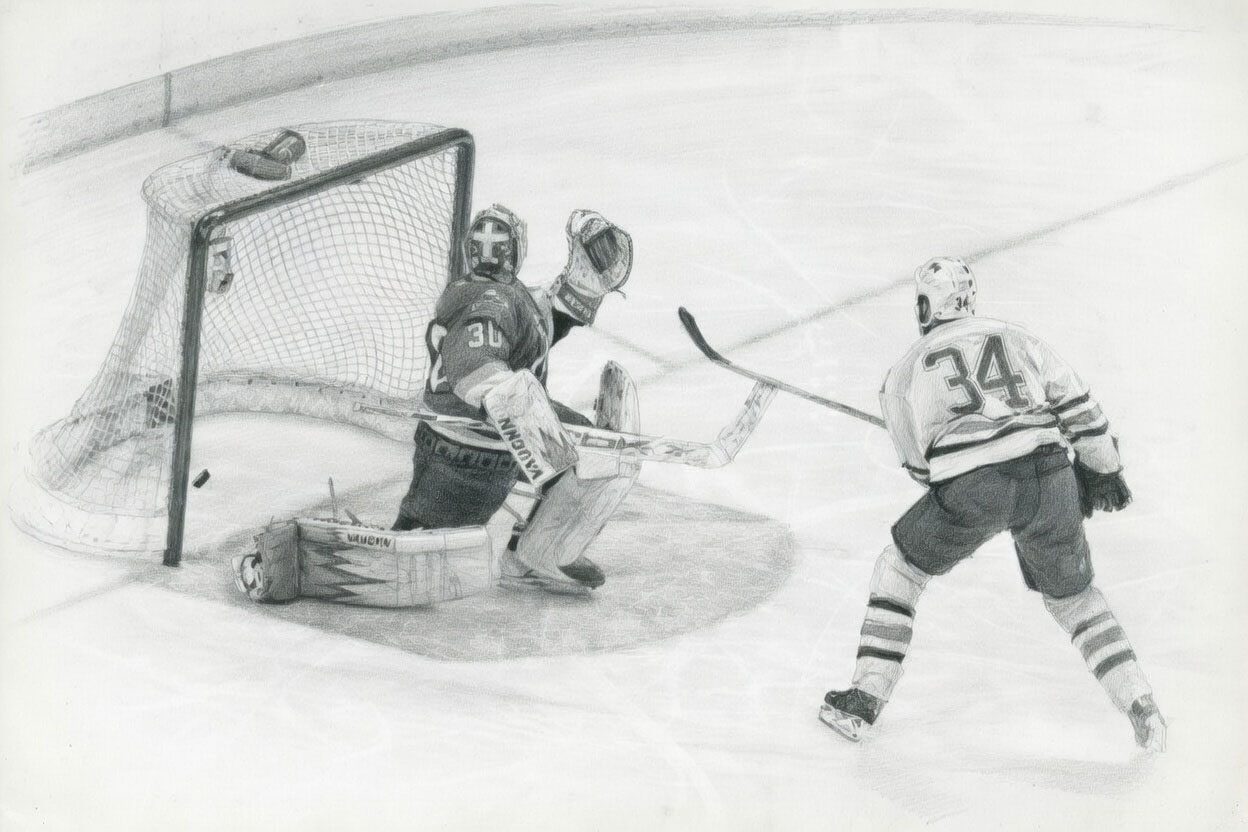
My favourite minor scene in Slap Shot comes right before that guy bellowing "you goons, you can't skate" throws his keys. The three bespectacled ruffians score a fine team goal, the guy beans Jeff, and more movie magic happens as the Hanson brothers climb into the stands to beat the tar out of every opposing fan who crosses their fists, including coincidentally the right one.

I like it because Slap Shot is fictional[citation needed] but the cast was as legitimate as some of the stories. Michael Ontkean looks credible as the skilled Ned Braden because he was a quality NCAA scorer who could have played senior hockey if he'd wanted to (glad though we Twin Peaks fans are that he didn't). The camera sensibly doesn't show the other real actors trying anything more ambitious than skating in circles or dumping the puck in, but between Ontkean, the Hansons, and the famous parade of goons in the final game we see guys who could have been, and often were, paid to play hockey in real life, firing gloves off and having stick fights. A movie of minor-leaguers who could play pretty well playing pretty well is not interesting; a movie of minor-leaguers who could play pretty well hammering a drunk guy into the boards until he wets himself definitely is, but just once in a while the movie calls attention to the fact that these players are not actually jokes. The Hansons' goal is the best-looking hockey play in the movie, which is what you'd expect because they were the best hockey players.

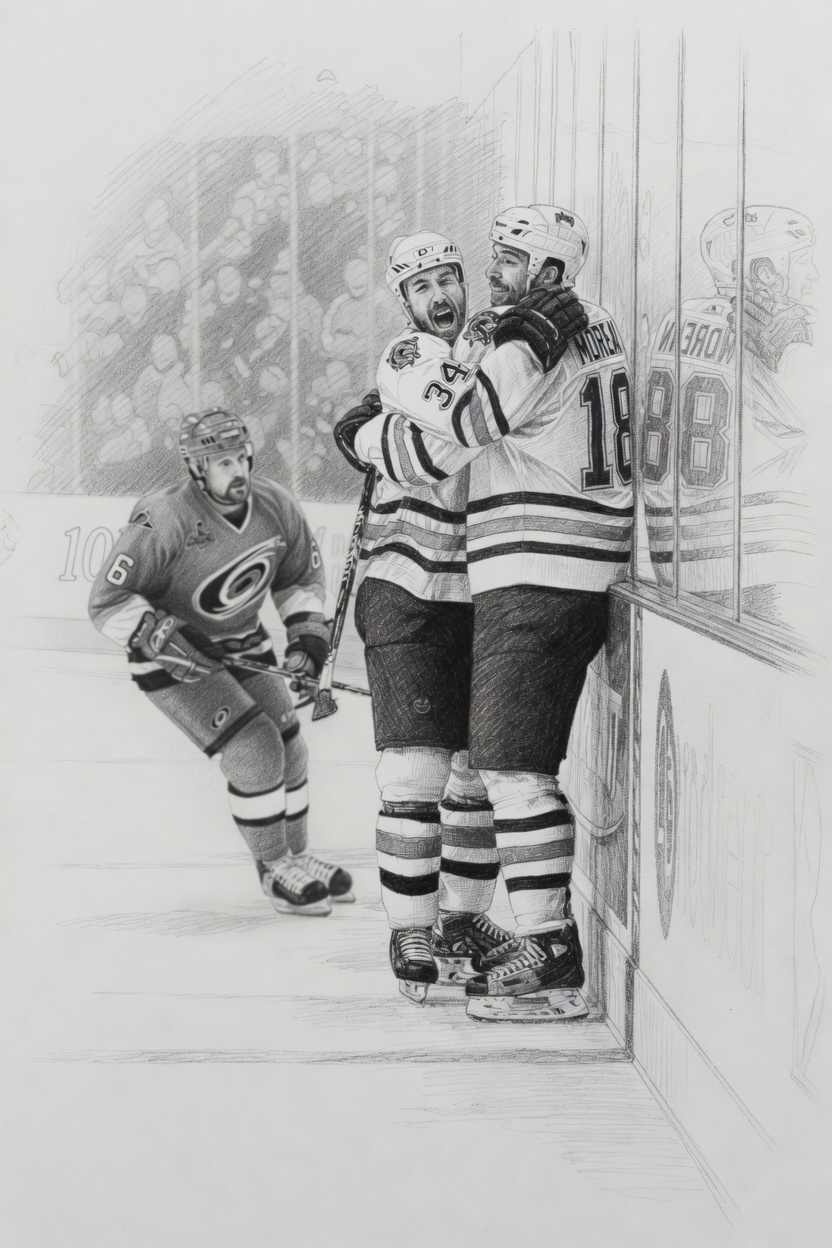
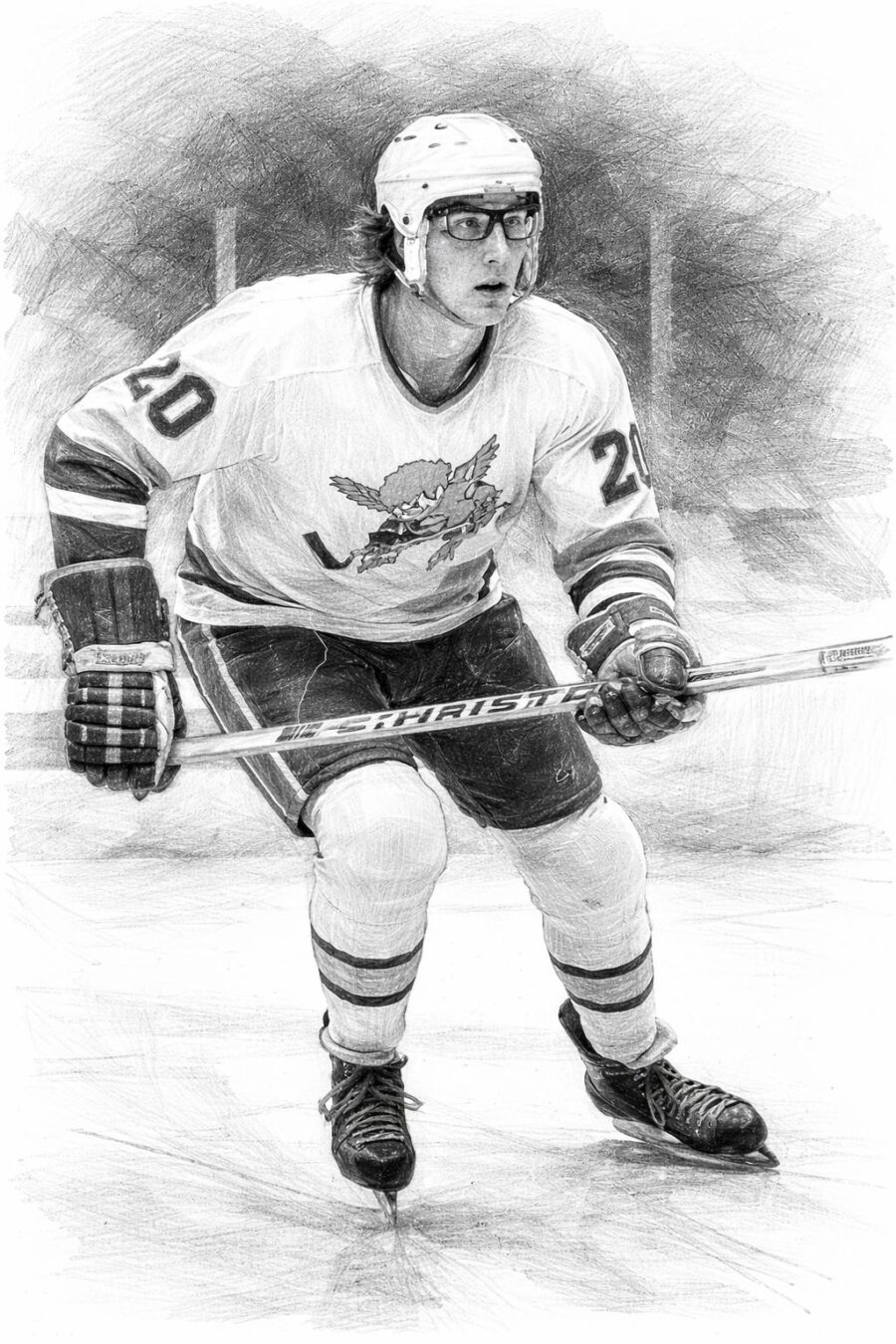
The Hanson Brothers, registered trademark, are Steve Carlson, Jeff Carlson, and Dave Hanson, who replaced Jack Carlson in the movie because Jack missed filming to play major league hockey. Slap Shot gave them a stylized but reasonable portrayal. Slap Shot is the all-American hockey movie, with its dying mill town, its fashion shows, and its empty old rinks, and all four "Hanson brothers" are American. Jack Carlson and Dave Hanson were definitely goons, but Steve Carlson was a skill player, and Jeff was a well-rounded minor pro. The fictional Hanson Brothers were never more at home than punching people in half-empty arenas; the real foursome, like in that one scene, showed spots of ability. All got at least a cup of coffee in the big leagues and three of the four had a sort of career. Heck with it, it's April 1, let's capture the spirit of the thing. How good were the Hanson Brothers?
Continue reading

NHL Power Play Specialists

The greatest goalscorer on the power play in NHL history is Alexander Ovechkin, because he has the most goals.

Nobody's mad if you stop there. The job of the power play is to put the puck in the net and Alex Ovechkin has done that more than anyone, both with the man advantage and just generally. As of this writing, Ovechkin has scored 35.83% of his 921 NHL goals a man up; this will have changed by the time you're reading. 20% of NHL goals, give-or-take, are scored on the power play, so Ovechkin is conspicuously more effective with the man advantage than the statistical median NHL player. Which, since Ovechkin is quite a lot better than the statistical median NHL player, is not a surprise when you think about it.

Of course the power play is an advantage, it opens up more ice for the attacking team. Better players get more time on the power play, thus scoring a higher proportion of their goals there, and they should, because their skills mean they achieve more. This all makes sense after three seconds of thought. That the best scorers generally are also the best scorers on the man advantage is true, but uninteresting. If I had, say, the 2024–25 Anaheim Ducks, who were a decent team despite having one of the twenty worst power plays since recordkeeping began, I would not want you to tell me that I could use Leon Draisaitl; I knew that already. I would want to know what sort of player might make an impact disproportionate to his 5-on-5 skill with the man advantage, and might therefore be someone I can get. What I want, then, is a measure of a player as a power play specialist, the extent to which his powerplay productivity stood out from his normal scoring skills, and hopefully an idea of what type of player that is.

Continue reading

Welcome to Time to Kill Now

If you're old like me, you will remember when the cutting edge of hockey analysis and the finest writing was to be found, not on large corporate sites nor still less in newspapers, but on things called "blogs." Back when "67" was a Toronto Maple Leafs reference, people would start blogs that looked like hell, had no marketing to speak of besides word-of-mouth, were updated erratically as a rule, contained whatever the author found interesting, had no possibility whatsoever of making any money, and changed the way people thought about hockey: bringing serious statistical analysis to the game, at first, almost single-handed.

Those days are gone and shall never return. The "blog" has become a column on a corporate network at best; a Substack at worst. Young people are more likely to start a YouTube channel than a long-form writing enterprise, and the community of the comment section has become the community of the chat window. AI and social media motivate takes churned out at speed rather than 1,500 words about Stan Weir every third Wednesday.

That's not all bad: the gifted can now actually make money writing on the Internet (even I made some), and the really smart guys turned hobbies into thriving careers. Edmonton Oilers bloggers circa 2006 have more Stanley Cup rings than the post-Messier Edmonton Oilers, but as to bringing the style back, 2006 was twenty years ago. The old days had its excesses: I went along with some of them, and glad I am that they're lost in the mists of time. It had its limitations: we'd have killed for Hockey Reference or Natural Stat Trick. Concepts that were once almost in-jokes, "Fenwick" and counting scoring chances, are now commonplace. For tastes to change with the times is no unhealthy thing.

Continue reading