The Great NHL Defensemen of the 1960s
Earlier this summer I saw Bard on the Beach's production of Antigone. It was very good, with one quirk. The language was mostly respectable modern pseudo-epic: while not authentic it tried to sound ancient and tragic, except for when it didn't. Antigone would have some poignant speech, and Creon would look at her and say "are you fucking kidding me?", and the crowd would laugh and my brain would shift from fifth to second without a clutch and leave a stream of engine parts and motor oil on the highway of dramatic appreciation.
The NHL's defensemen in the 1960s were a lot like that.
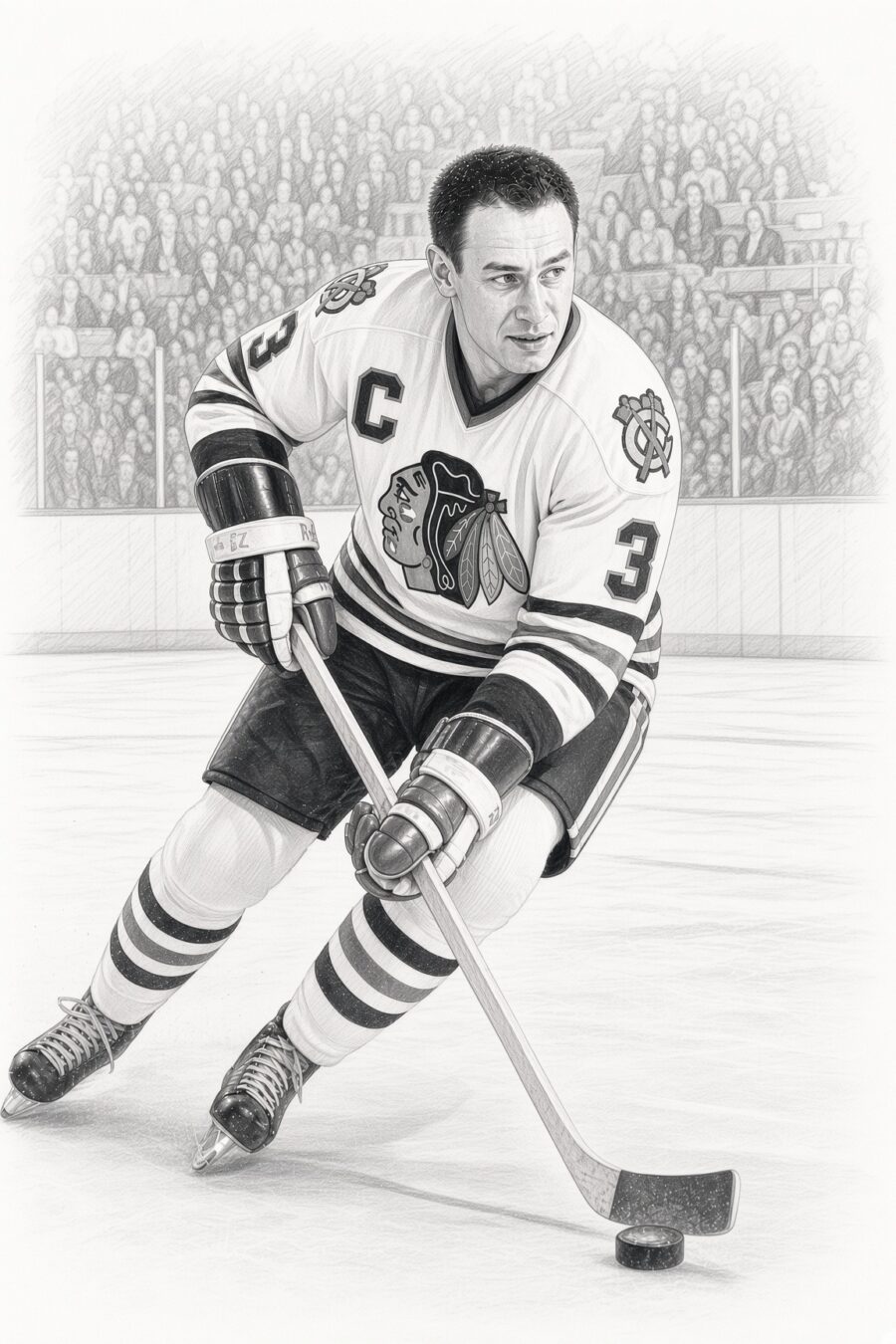
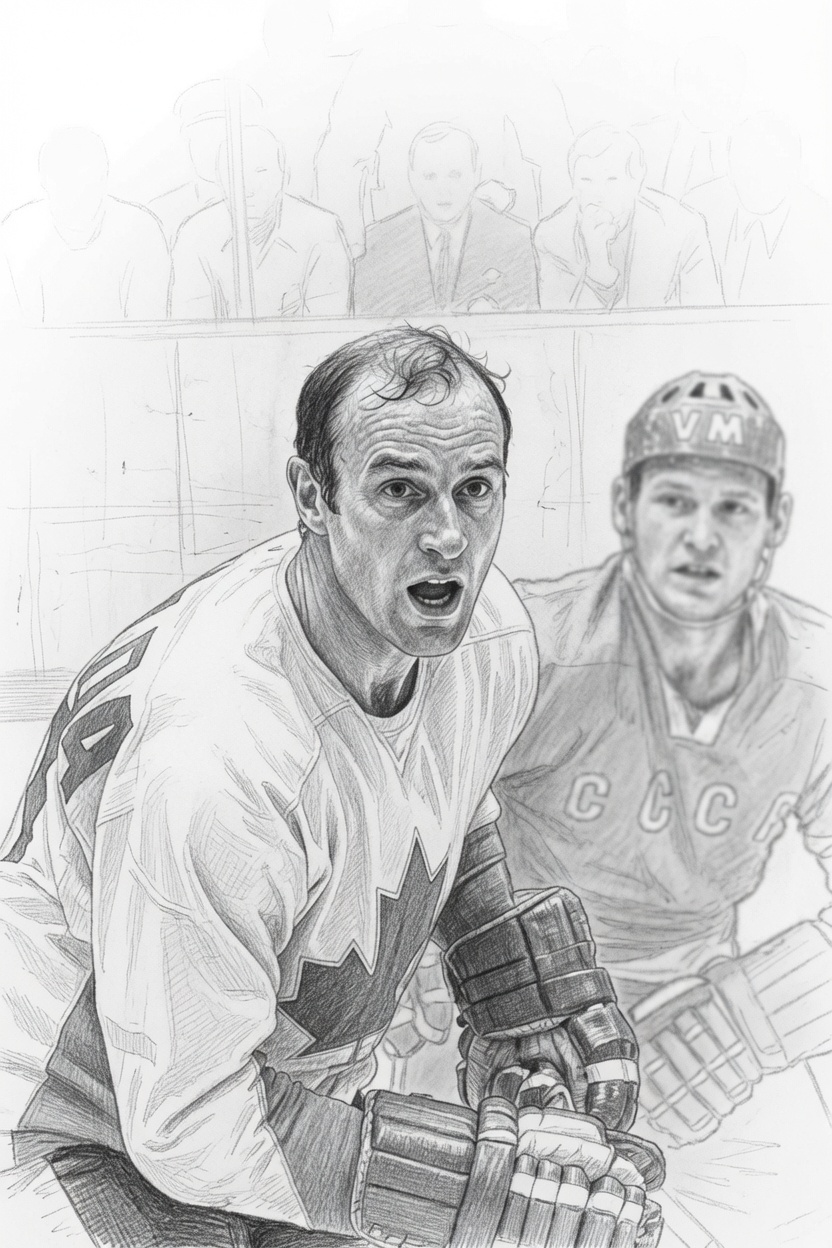
It was the last decade of the Classical Tragic Defenseman. Tim Horton. Doug Harvey. Allan Stanley. Red Kelly. Marcel Pronovost. They were excellent players, too excellent to make one type—Pronovost was almost, but not quite, modern—but part of an extended family. Most of them only kinda skate, most of them could drink, those who couldn't drink thought they could, they all had some just obscene weakness. Horton, maybe the best defenseman of the decade, couldn't see. Harvey, whose best decade was the '50s but was still good in the '60s, was an actual alcoholic, not merely a hard-drinking hockey player. Pronovost's body was made up of so much scar tissue that he couldn't move. Yet the league's standard of defense was such that not only did they all play until they were a billion years old but they played well. The 1967 Maple Leafs were called the "Over the Hill Gang" because Lester Pearson may have passed the Canada Pension Plan as a subsidy for their blue line. And you probably remember how the 1967 Maple Leafs did. It wasn't just that these guys were incredibly old, it's that it was good to be incredibly old.
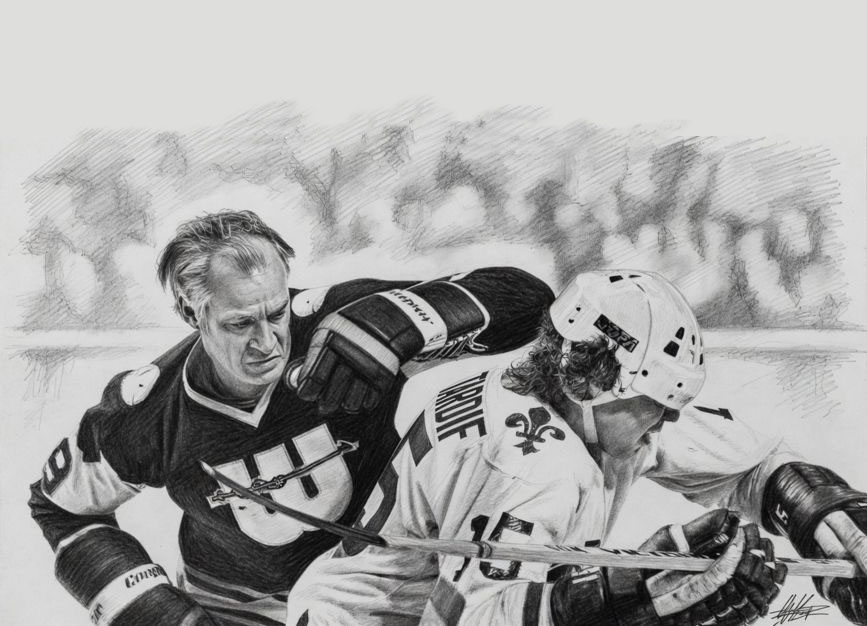
Then, right at the end of the decade, you see Bobby Orr and Brad Park, who changed everything, standing out in history like an F-bomb in the middle of Sophocles. Well, actually, to be more strictly accurate, you have Pierre Pilote, who perhaps was to Orr what Sophocles was to Shakespeare, the man who seemed like a one-off until he wasn't.