Skip to content

Ongoing series

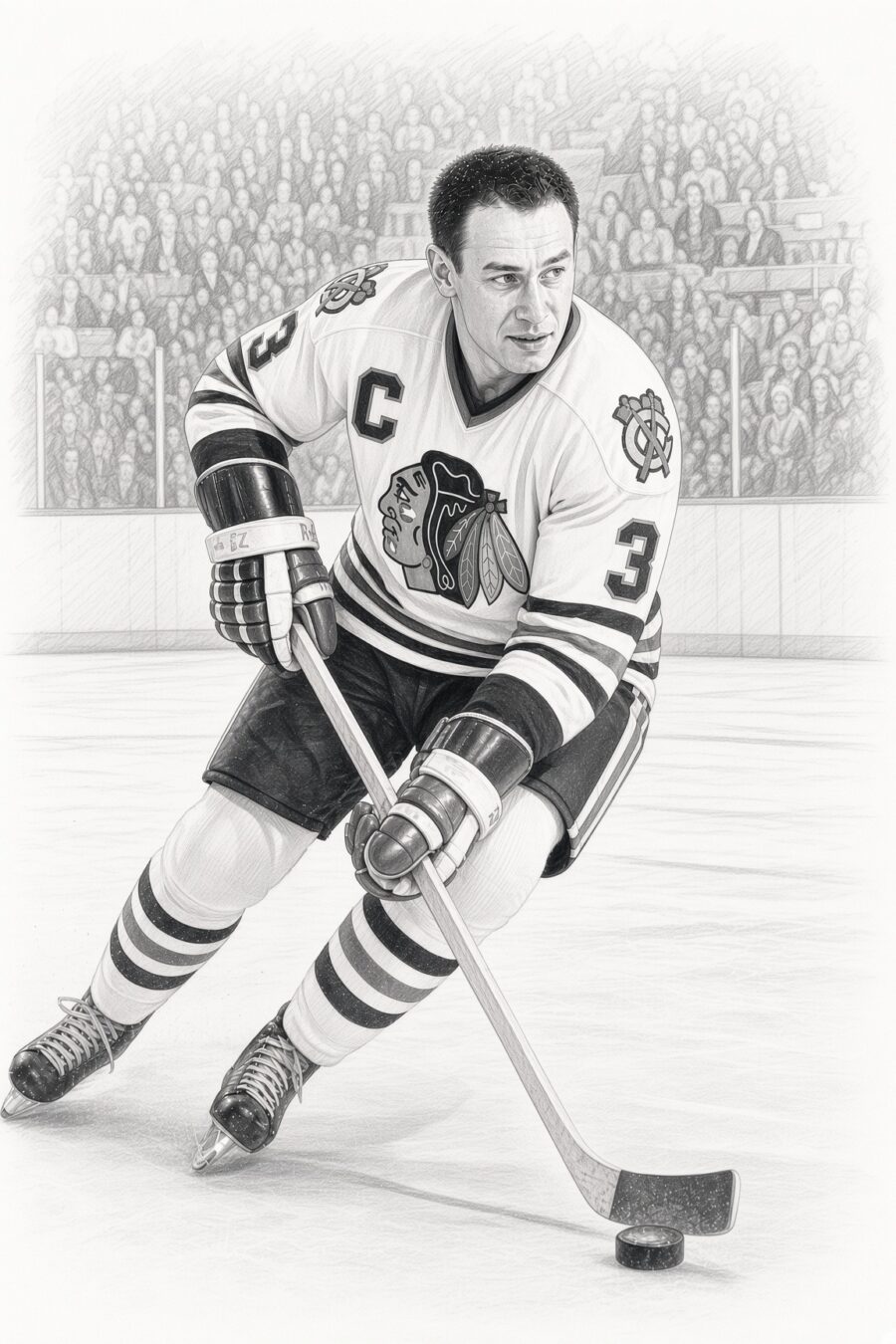
How Good Was Vsevolod Bobrov?

Vsevolod Mikhailovich Bobrov (December 1, 1922 – July 1, 1979) is the official first hockey hero of the Soviet Union, to the extent Soviet hockey went in for anything as bourgeoisie as heroism. The "Big Red Machine," the formless, perfectly-engineered game-winning communist automaton, all wheels and cogs and interchangeable parts cast in the foundries of the Red Army, was one-third real, one-third the team's goal, and one-third a contrast to North American individualism that appeared starker than it was. The men, like Bobrov, were still men: they lived and breathed and often enough partied like hellions, flying through the snow in their Ladas with a quart of vodka in the system and smoking Polish cigarettes, differentiated from Guy Lafleur by haircut and quality of goods. They left enough memories that Bobrov was named to the IIHF Hall of Fame on its founding a quarter-century after his death, was named to the IIHF "All-Time Russia Team" in 2020, and the KHL named one of its divisions after him.

Although a well-known Soviet athlete immediately after the war, Bobrov made his first international impact at the Olympics. The Summer Olympics, to be specific; in addition to hockey and bandy (which is to hockey as Pravda is to truth), Bobrov was an excellent soccer forward and captained the Soviet soccer team at the 1952 Summer Olympics. Bobrov began by scoring the equalizer in a 2-1 extra time preliminary-round win against a decent Bulgarian team lead by influential goalkeeper Apostol Sokolov. But that was nothing: the Soviets faced a good Yugoslav team next in the first round proper. Yugoslavia took a 3-0 lead at halftime; while Bobrov was able to make it 3–1 Yugoslavia got the next two to stake a 5–1 lead and, like Tito taking over Albania, they probably thought it was all over. At 75' Vasili Trofimov scored for the Soviets; Bobrov added his second at 77' to make a game of it, then completed his hat trick on 87'. 5–4. Aleksandr Petrov tied the game in the eighty-ninth of ninety minutes, and the Soviet Union had what match referee Arthur Ellis called "the most honourable draw ever recorded." There were no penalty shootouts in those days, so two days later they played again: Bobrov opened the scoring in the sixth minute, but the Yugoslavs took control after that, winning 3-1 and going on to the silver medal, losing only to Ferenc Puskás's unstoppable Hungarian "Magical Magyars." Ellis said of Bobrov, "he, almost single-handed, took the score to 5–5 [. . .] For once, use of the word sensational was justified."

This, it will be remembered, was Bobrov's second-best sport.

Continue reading

How Good Was the WHA: The Blueliners

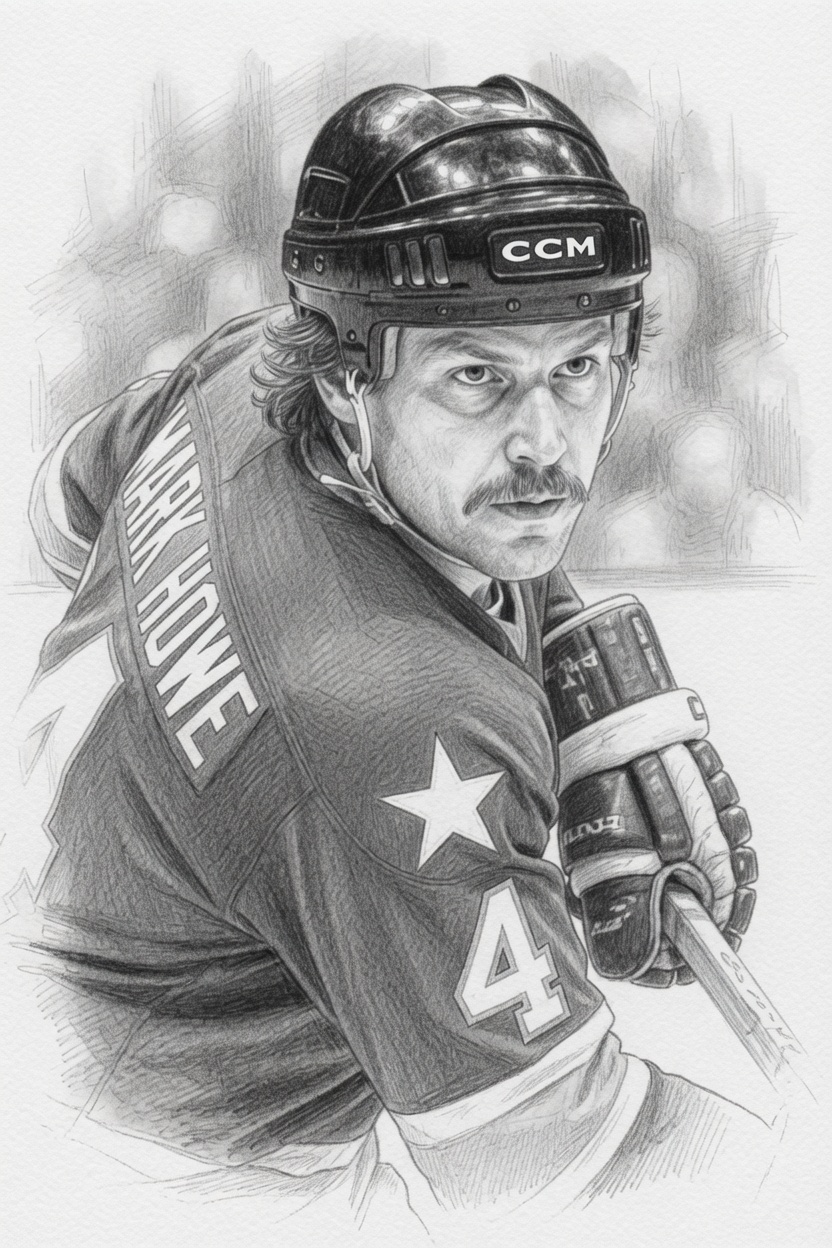
It is unfair, and possibly actionable, to accuse me of quietly stealing article ideas from Twitter replies. Oh, no, I loudly and exuberantly steal ideas from Twitter replies; I dive on them with the frenzy of a pitbull given a steak. So when Andrew Cunningham replied to my first post on the WHA's superstars suggesting that J. C. Tremblay was not really regarded as the WHA's best defenseman at all, I at once saw "content."

My opinion didn't come from nowhere: Tremblay held the points record at the position and won two best-defenseman awards. But Mr. Cunningham suggested Barry Long, Kevin Morrison, Paul Shmyr, and Lars-Erik Sjöberg were better-regarded in their day than Tremblay. Sjöberg and Shmyr were each named defender of the year once, Long and Morrison were not. Tremblay and Morrison were at their best in the WHA's earlier seasons; Sjöberg arrived and (apart from one fluke) Long peaked later, and Shmyr was outstanding throughout. Shmyr and Long had decent NHL careers apart from their WHA accomplishments, Tremblay was of course an All-Star, and Morrison and Sjöberg were in the NHL very briefly. Moreover, though Shmyr and Sjöberg were familiar names, Morrison I knew only from a few stories and Long not at all. They were all serious blueliners in the league and anybody who is quoting World Hockey Association facts from personal memory is a jewel to be cherished in 2026; I certainly couldn't say he is right or wrong.

After all, such personal memories are the stuff history is made of. Statistics are great to fill in the gaps, but they don't nearly tell everything. The World Hockey Association was, as we have now thoroughly established, major league hockey; yet it is major league hockey which is fading from memory without actually being nearly gone. Grabbing these stray 140-character thoughts, filling them with data, and transforming that into perspective is one of the great joys of life.

Continue reading

How Good Was the WHA: Major League Teams

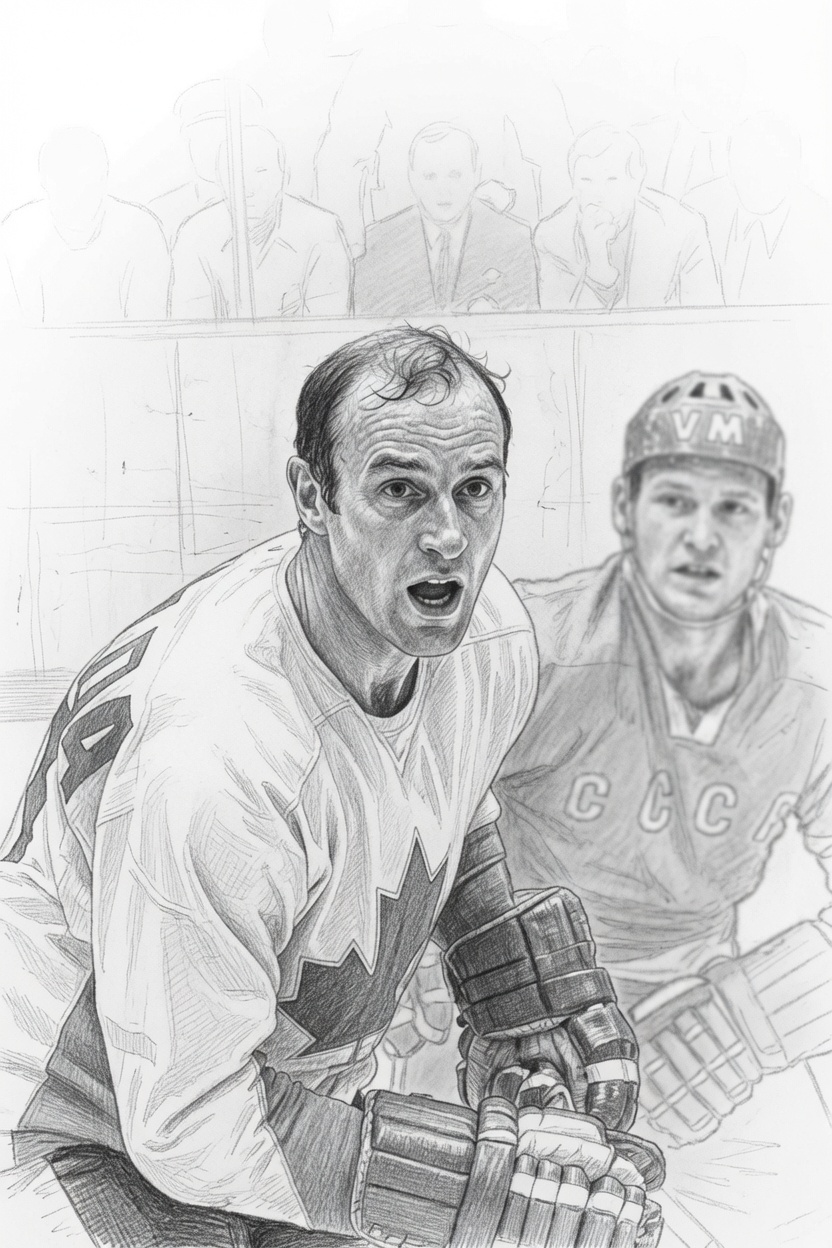
We've seen that the calibre of the World Hockey Association's top stars was high enough to call the WHA major league hockey. But hockey is not a superstar game. J. C. Tremblay was a great player; him and five AHLers make a good AHL defense. Your team would get smoked by the worst team in the NHL in a seven-game series and nothing Tremblay could do would make much difference. How can we judge how good the actual teams, from Bobby Hull down to the worst fourth-line goon, actually were compared to the NHL?

Just on the off chance a young person is reading this, I'll tell you something old WHA fans know: the one way you must not answer this question is by looking at what the four WHA teams accepted into the NHL did there. The NHL-WHA merger is often called a "surrender," where the NHL teams ruthlessly pillaged the WHA of their talent. It was a bit better than that; the WHA teams were permitted to keep three to four players officially, and in practice kept many more as the NHL's hard line softened once it was official that they'd actually have to share a business with these guys. True, there was some lingering NHL spite: making the WHA teams pick last in the Entry Draft rather than first, and denying Wayne Gretzky the Calder trophy on the grounds that he already had major-league experience. This did not wind up hurting that much: of the four Hall-of-Famers selected in the first round in 1979, two went to WHA teams (Michel Goulet to the Nords and Kevin Lowe to the Oilers), and Gretzky's legacy is fairly safe. They lost most of their top stars, but not all of them, and the NHL honoured Gretzky's personal services contract with Peter Pocklington rather than fight it. They were more like "expansion teams plus" than true expansion teams. Only the Quebec Nordiques finished last in their division their first year in the NHL, and they weren't a bad last. However, what they weren't was representative of the teams as they played in the WHA.

Going through each player on each roster would be more noise than signal. If you can compare half-century-old third-liners across two different leagues statistically and come out with a comprehensible result you are a better man than I. In baseball you can look at a guy who hit .280 and the pitching he faced and say something; in hockey ice time matters and we don't know it. There isn't enough video for even objective comparisons, and who'd have the time to watch it if there was? What we want is a corpus of how WHA teams played against NHL teams, or teams that NHL teams can otherwise be compared to; very fortunately, we have it.

Continue reading

How Good Was the WHA: The Top Players

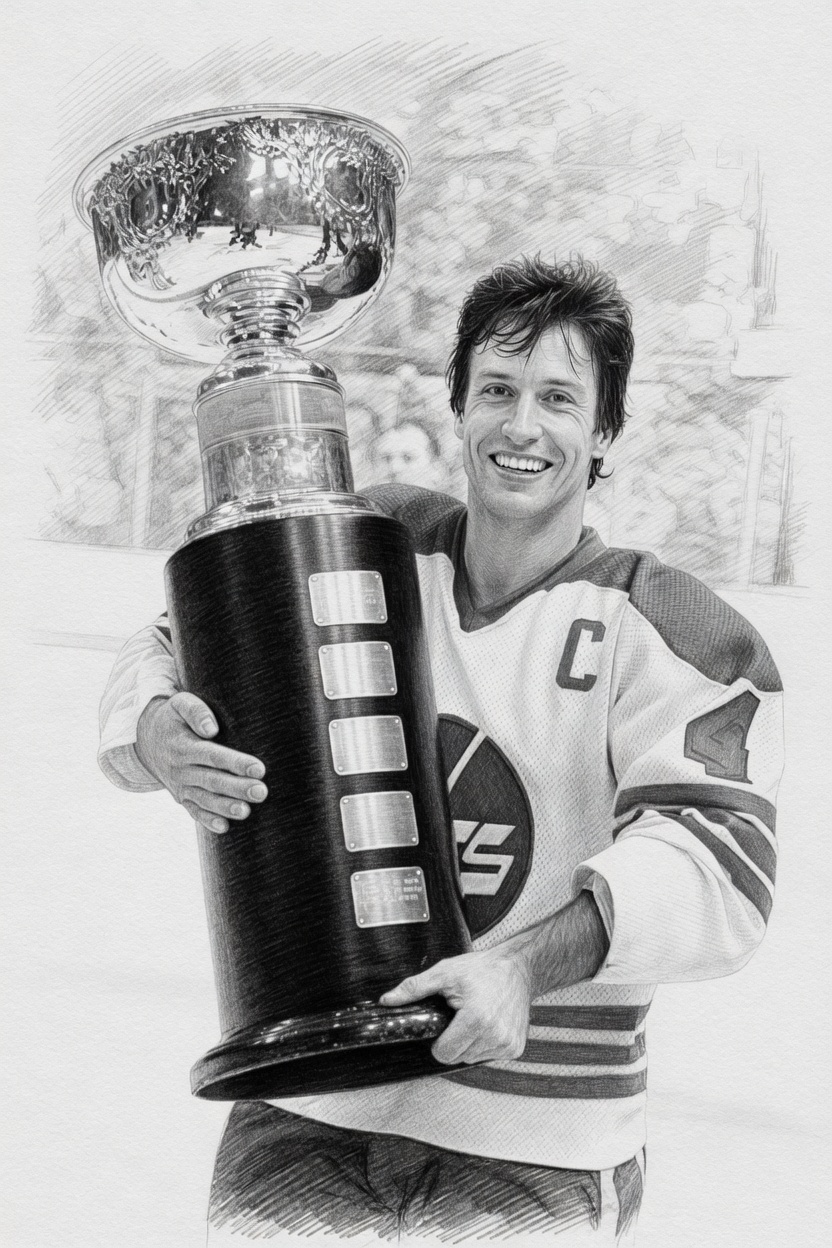
The World Hockey Association (1972–1979) was the one serious attempt to compete with the National Hockey League since the reign of George V. From their first season to the last they had real hockey markets and real stars, beginning with Bobby Hull and ending with Wayne Gretzky. They played exhibitions against the NHL, regular season games against European national teams, and a Summit Series of their own against the Soviets. They tried the shootout, they tried blue pucks, they tried cheerleaders, they tried some of the most flamboyant sweaters in hockey history, name it and they probably tried it. Not coincidentally they embodied a chintzy sleaze of bounced cheques, naming their championship trophy after a financial services company, and playing in some of the worst arenas to allegedly host major-league hockey since the invention of artificial ice.

The year before joining the Winnipeg Jets Bobby Hull had tied for second in the NHL in goals and was seventh in points. Hull was 33 when the WHA began play; so while not nearly washed-up he was entering the downswing of his career. One of the few non-hair-dye users on Hull's last Black Hawks team was a 26-year-old named André Lacroix, Prior to joining the WHA Lacroix had been an elite, but hardly superlative, junior player, and in five NHL seasons he achieved only a little. Then, in seven WHA seasons, he recorded 251 goals and 798 points in 551 games with a +22, leading the league in all-time scoring, winning two season titles, and being twice named MVP. Returning to the NHL after the merger, he lasted less than a season. Hull scored fewer points, but in fewer games, and with a better points-per-game. Hull won WHA championships; Lacroix never even made a final, though it was hardly his fault. Hull was one of the great shooters of all time, Lacroix a playmaker. You can pick either one for the WHA's greatest forward, but what does it say about the league to discuss an old, bald man and a definitely second-rate NHLer in such terms?

Was the WHA a major hockey league, not as good as the NHL, but worthy to be held alongside it? In this series I will answer "yes, obviously." However, the best possible reason for instinctive doubt is the quality of its marquee players. Lacroix, though a pretty good NHL player, was nobody's idea of a superstar. Hull was, but he was also old. And their best defenseman was J. C. Tremblay, a six-time NHL All-Star and Norris finalist in the Bobby Orr years, but he was 34 when he joined the WHA and put up superstar numbers. Tremblay twice led the whole league in assists and won the best defenseman award, the last at age 36. If your all-time stars, your Alex Ovechkin, Bobby Orr, and Wayne Gretzky, are an old Hull, an old Tremblay, and André Lacroix, can you really be a major league?

Continue reading

How Good Was Tony Hand?

Anthony Hand MBE (August 15, 1967 –) is the greatest British born-and-bred ice hockey player of all time. This is not a vividly hot take; one might as controversially say that Patrick O'Brian liked ships. In British-trained hockey Hand is first and the rest nowhere. Liam Kirk, the best British-trained player of the twenty-first century to date, may make it an argument before the end, but Hand has all the qualities of a legendary player for a bottom-rate team: a lack of international success, a great deal of personal recognition for his talent, and an enormously long career. Hand was active in top-division British hockey, with interruptions, from 1983 to 2009, played in the second division until 2015, and although statistics are unreliable is probably the all-time leading scorer of the old British League.

Born, raised, and whenever he could get away with it professionally based in Edinburgh, Hand is best remembered for having been drafted 252nd and last overall in 1986 by the Edmonton Oilers; the first British-trained player ever selected in an NHL Entry Draft, supposedly on the suggestion of former Oiler Garry Unger, who played a few years in England to close out his stat book. Attending a couple training camps with one of the best offensive teams in hockey history, Hand did well enough to seriously interest Glen Sather in giving him a minor-league deal, but Hand was homesick and, apart from a short but successful spell with the WHL's Victoria Cougars and a second strong training camp, played his entire professional career in England and Scotland. Whenever one hears the story of Tony Hand, one will hear Glen Sather's quote that Hand "was the smartest player [in Oilers camp] other than Wayne Gretzky." Small wonder he is known as "the Scottish Gretzky."

But really, how good was he? Hand played three league games outside of Great Britain, and those were as a junior. His British career was immense and successful but coincided with the all-time nadir of British international hockey, where the Brits were at times as low as the fourth division of the World Championships with the likes of New Zealand and Spain. Hand led a modest resurgence, culminating to a glorious top-pool appearance at the 1994 World Championships, but Hand failed to score, the Brits lost all five of their games, and never managed to escape the second division during the rest of Hand's career, though they were sometimes quite good there.

Continue reading